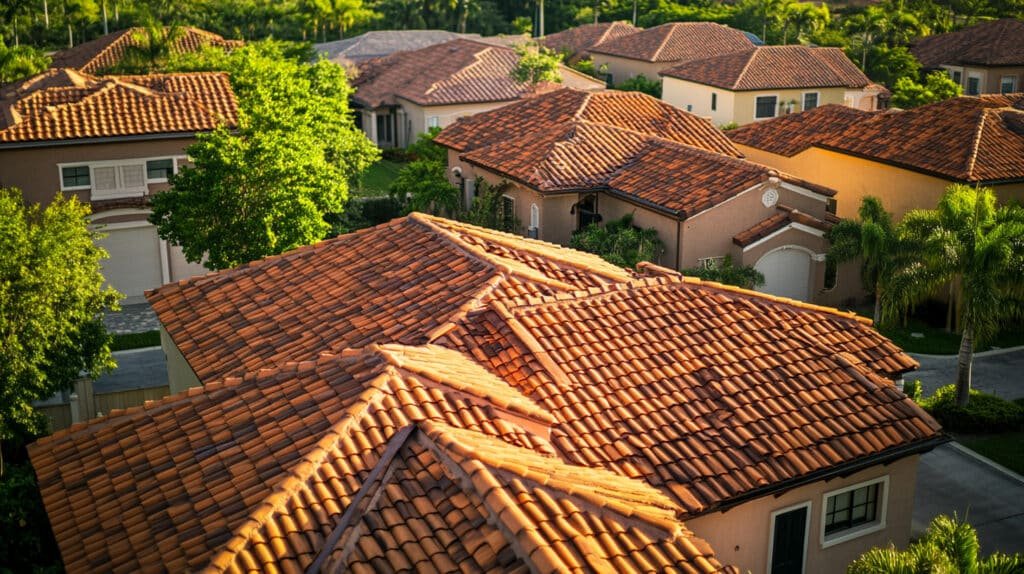




Maximizing Hollywood Roof Insurance Claims with Dream Team Roofing
Roof damage in Hollywood, Florida often forces homeowners to choose between filing an insurance claim or covering repairs out-of-pocket. This decision carries financial and procedural implications, from deductible calculations and premium impacts to permit requirements and contractor selection. In this guide, you’ll discover what perils Florida policies cover, how to navigate the insurance claim process step by step, and when paying cash is more advantageous. We’ll also explore average repair costs, financing solutions, regulatory hurdles, and local contractor evaluation criteria. By the end, you’ll have a clear comparison framework to decide whether insurance claims or personal payments best protect your home and budget.
What Types of Roof Damage Are Covered by Homeowners Insurance in Hollywood, FL?
Homeowners insurance in Hollywood, FL defines covered roof damage as sudden, accidental events that compromise structural integrity. Policies typically insure against perils such as windstorms, hail impacts, fire, vandalism, and falling objects. Coverage applies to material replacement costs up to policy limits, minus deductibles, while actual cash value or replacement cost provisions govern payout calculations. Understanding these basics sets the stage for detailed exploration of covered storm damages, exclusions, the Florida 25 percent rule, and wear-and-tear exclusions.
Which Storm and Weather Damages Does Florida Insurance Typically Cover?
Storm and weather damages covered by Florida homeowners insurance generally include windstorms, hurricane-force winds, hail, and lightning strikes. Wind damage claims can encompass missing shingles, torn underlayment, and lifted flashing that allow water intrusion. Hail impacts may crack or bruise asphalt shingles and dent metal roofing components, triggering coverage under “named peril” provisions. Lightning strikes that cause fire or electrical damage to roof materials also fall within typical policy definitions, provided the event is documented with photos and adjuster reports.
What Roof Damage Is Usually Excluded or Limited by Florida Policies?
Florida policies commonly exclude damage resulting from wear and tear, poor maintenance, and gradual deterioration. Mold, rot, and rust arising from long-term neglect typically fall outside covered perils and require homeowner responsibility. Damage from insects or rodents is also excluded, as are defects arising from installation errors or substandard materials. Some insurers limit or exclude hail coverage on roofs older than 10–15 years, mandating certification inspections to validate remaining useful life before approving full replacement.
How Does the Florida 25 Percent Rule Affect Roof Replacement Claims?
The Florida 25 percent rule requires insurers to replace an entire roof when 25 percent or more of its covering material is damaged. This regulation prevents patch-only repairs that can lead to mismatched roofing patches and structural compromise. Under this rule, even localized wind or hail damage exceeding the threshold triggers full reroofing under the policy’s replacement cost terms. Homeowners should verify policy language and document damage percentages during adjuster inspections to leverage full coverage benefits.
When Is Roof Wear and Tear Not Covered by Insurance?
Roof wear and tear, including granule loss, weathering of shingles, and slow leaks, is deemed a maintenance issue and not covered by insurance. Policies exclude damage from gradual factors such as UV exposure, thermal cycling, and minor cracking that develops over years of service. Homeowners must budget for routine inspections and preventative maintenance to avoid coverage denials. Recognizing wear-and-tear exclusions clarifies when out-of-pocket repairs become a necessary investment in long-term roof health.
How Do You File a Roof Damage Insurance Claim in Hollywood, FL?
Filing a roof damage claim in Hollywood, FL involves a systematic process to maximize approval chances and minimize out-of-pocket exposure. The approach begins with immediate damage documentation, moves through insurer notification and adjuster coordination, and culminates in estimate reviews and appeals if necessary. A clear understanding of required steps, documentation, and deductible implications ensures a smoother resolution. This section unpacks each action step, adjuster interactions, evidence preparation, appeals strategy, and hurricane deductible specifics.
What Are the Step-by-Step Actions for Filing a Roof Insurance Claim?
- Inspect and photograph all visible damage, capturing roof angles, interior leaks, and before-and-after conditions.
- Notify your insurer promptly with a written or online claim notification, referencing your policy number and damage date.
- Schedule an adjuster inspection and provide documented evidence including photos, videos, and signed contractor estimates.
- Review the adjuster’s report, compare it with independent estimates, and request corrections if damage or costs are understated.
- Submit any appeal letters within policy timeframes if coverage is denied or offers are below repair estimates.
How Do Insurance Adjusters Assess Roof Damage?
Insurance adjusters assess roof damage by inspecting visible signs of impact, measuring affected area percentages, and evaluating underlying structure integrity. They identify missing or broken shingles, damaged underlayment, and compromised flashings. Using infrared or moisture-sensing tools, adjusters detect hidden water intrusion and structural concerns. Their report documents damage types, repair recommendations, and cost estimates, which form the basis for insurer payouts under actual cash value or replacement cost terms.
Insurance Coverage Disputes: Faulty Roof Repair Processes
process and thus exclude coverage under the circumstances of this case.”The court reasoned that “because the damaged roof the unprotected roofs, they engaged in a faulty process to
What Documents and Evidence Should Homeowners Prepare?
Homeowners should prepare a comprehensive evidence portfolio including date-stamped photographs, videos, roof inspection reports, and contractor repair estimates. Policy declarations, maintenance records, and prior inspection certifications strengthen coverage substantiation. Signed statements from licensed roofing professionals detailing damage extent and material specifications support accurate claims. Retain copies of all communications with insurers, including emails, adjuster notes, and claim reference numbers to track progress and appeal effectively.
How Can You Handle Claim Denials and Appeals Effectively?
When a claim is denied or underpaid, review the denial letter to identify cited exclusions or coverage interpretations. Obtain a second opinion from an independent adjuster or public adjuster to challenge incomplete assessments. Submit a formal appeal with documented evidence, contractor estimates, and additional photos highlighting overlooked damage. Reference Florida insurance statutes, policy language, and the 25 percent rule to support full replacement requests. Persist through negotiation, and consider mediation or regulatory complaint filing if necessary.
Property Insurance Litigation: Roof Damage Claims
brought suit for breach of contract against its insurer arising from a claim for roof damage, and presented evidence that the insured withheld documents required to process the claim.
What Are Hurricane Deductibles and How Do They Impact Claims?
Hurricane deductibles apply a separate percentage-based amount to roof damage caused by named storms, typically ranging from 2% to 5% of policy dwelling coverage. Unlike flat deductibles, a hurricane deductible scales with the insured value, resulting in higher out-of-pocket costs for high-value homes. This deductible applies once per hurricane event and can significantly affect net proceeds for replacements. Homeowners should calculate potential hurricane deductible exposure before filing claims after major storms.
What Are the Average Out-of-Pocket Roof Repair Costs in Hollywood, FL?
Paying for roof repairs out-of-pocket offers control over contractor selection, materials, and scheduling without impacting insurance premiums. Costs vary by damage type, roof size, pitch, and material choice. Asphalt shingle repairs start lower while tile or metal roof services incur higher labor and material expenses. Financing options such as PACE programs, personal loans, and home equity lines can spread costs over time. Understanding these factors helps homeowners weigh immediate spending against long-term financial impacts.
Which Factors Influence Out-of-Pocket Roof Repair Expenses?
Several factors drive out-of-pocket roof repair costs in Hollywood:
- Material type (asphalt, tile, metal) affects per-square-foot pricing.
- Roof pitch and complexity dictate labor intensity and safety requirements.
- Extent and location of damage determine removal and replacement scope.
- Accessibility and scaffolding needs influence equipment fees.
- Seasonal demand and local labor rates contribute to cost fluctuations.
What Are Typical Costs for Common Roof Repairs in Hollywood?
Common roof repairs and their typical cost ranges include:
| Repair Type | Cost Range | Notes |
|---|---|---|
| Leak Sealing | $250–$600 | Localized patch and sealant application |
| Shingle Replacement | $400–$1,200 | Includes material and labor for 10–20 shingles |
| Flashing Repair | $300–$800 | Metal flashing replacement around penetrations |
| Emergency Tarp Service | $150–$400 | Temporary protection pending permanent repair |
These estimates guide budgeting and financing decisions for immediate repairs versus full replacements.
When Is Paying Out-of-Pocket More Advantageous Than Filing a Claim?
Paying out-of-pocket can be preferable when repair costs fall below or near the deductible, avoiding premium increases and claim history impacts. Minor hail or wind damage often costs less than the deductible threshold. Cash payments offer faster scheduling and choice of high-quality materials without insurer mandates. Additionally, avoiding small claims preserves no-claim discounts and maintains future coverage flexibility for more significant events.
Home Repair Needs: Roofing Issues and Out-of-Pocket Costs
THE MOST COMMON REPAIR NEED RELATED TO ROOFING
What Financing Options Are Available for Out-of-Pocket Roof Repairs?
Hollywood homeowners can leverage several financing programs:
- PACE (Property Assessed Clean Energy) financing enables repayment through property tax assessments.
- Home equity lines of credit provide low-interest borrowing against home equity.
- Personal loans offer fixed repayment schedules and predictable rates.
- Contractor financing plans may include zero-interest promotions for short terms.
How to Decide Between Insurance Claims and Out-of-Pocket Payments for Hollywood Roof Repairs?
Choosing between insurance claims and personal payment hinges on damage severity, deductible size, long-term premium impacts, and repair urgency. Insurance claims benefit large-scale replacements exceeding deductibles and when full coverage avoids substantial upfront costs. Out-of-pocket payments suit minor repairs, rapid scheduling, and premium preservation. A side-by-side comparison of pros and cons, deductible effects, and case scenarios helps homeowners select the most financially sound approach.
What Are the Pros and Cons of Filing an Insurance Claim?
Filing an insurance claim offers:
- Access to policy coverage for significant damage exceeding deductible thresholds.
- Professional adjuster assessment and replacement cost coverage under RCV policies.
- Potential for full reroofing under Florida’s 25 percent rule.
However, claims can:
- Trigger premium increases or policy nonrenewal.
- Result in lengthy adjuster negotiations and possible underpayments.
- Incur higher hurricane deductibles for named storm events.
What Are the Advantages and Disadvantages of Paying Out-of-Pocket?
Out-of-pocket payment advantages include:
- Immediate scheduling and contractor choice without insurer approvals.
- Preservation of insurance history and premium stability.
- Opportunity to select premium materials beyond insurer specifications.
Disadvantages involve:
- Large upfront cash expenditure for extensive repairs.
- Lack of reimbursement if damage escalates beyond initial estimates.
- Potential loss of cost-sharing benefits on major replacements.
How Do Deductibles and Premium Increases Affect Your Decision?
Deductibles directly reduce claim payouts and represent immediate out-of-pocket sums. Higher percentage hurricane deductibles can negate claim benefits on storm events. Filing multiple small claims may lead to rate hikes or coverage restrictions, offsetting short-term savings. Evaluating potential premium increases against repair savings clarifies whether claim filing yields net financial advantage over self-funding.
What Scenarios Favor Insurance Claims vs. Out-of-Pocket Repairs?
Insurance claims are optimal when:
- Damage exceeds 25 percent of coverage and qualifies for full replacement.
- Roof failures pose structural risks requiring extensive repairs.
- Repair costs far exceed deductible amounts.
Out-of-pocket repairs are suitable when:
- Damage is minor and repair estimates fall below deductible levels.
- Homeowners prioritize claim history preservation and premium stability.
- Quick turnaround and material customization are highest priorities.
How to Choose a Licensed and Experienced Roofing Contractor in Hollywood for Insurance Work?
Selecting a roofing professional for insurance-driven repairs involves vetting licensure, insurance coverage, and claims experience. A licensed contractor ensures code compliance and proper permit procurement. Insurance work demands adjuster coordination, detailed estimates, and warranty clarity. Asking targeted questions, comparing multiple bids, and verifying service guarantees safeguards project quality and claim approval outcomes.
Why Is Hiring a Licensed and Insured Contractor Important?
Hiring a licensed and insured contractor protects homeowners from liability and substandard workmanship. Licensing verifies minimum competency under Florida building codes and trade regulations. Liability and workers’ compensation insurance cover injuries or property damage during repairs. Insured professionals also facilitate smoother permit approvals and inspections, reducing the risk of code violations or rework costs.
What Questions Should You Ask Roofing Contractors About Insurance Claims?
When interviewing contractors, ask:
- How many insurance-based roof claims have you completed in Hollywood?
- Can you provide references and documented claim success stories?
- Do you assist with adjuster meetings and scope-of-damage documentation?
- What warranties cover workmanship and materials post-repair?
These questions reveal claims expertise, communication practices, and commitment to claim outcomes.
How to Get and Compare Multiple Roof Repair Estimates?
Obtain at least three written estimates that detail scope, materials, labor, and timeline. Use identical damage descriptions and material specifications to ensure apples-to-apples comparisons. Evaluate line-item breakdowns for hidden fees, overhead, and permit costs. Balance lowest bids against reputation, warranty terms, and contractor responsiveness to secure fair pricing and reliable workmanship.
What Warranty and Service Guarantees Should You Expect?
Expect contractors to offer:
- Minimum one-year workmanship warranties covering labor defects.
- Manufacturer warranties on roofing materials ranging from 20 to 50 years.
- Service guarantees for follow-up inspections and minor adjustments.
- Clear terms on what events void warranties, such as unauthorized modifications.
Strong warranty packages protect homeowners from premature failures and future repair expenses.
What Are Hollywood, FL Building Permit Requirements for Roof Repairs and Replacements?
Permits ensure compliance with local building codes, structural standards, and safety regulations for roof work. Hollywood’s Building Division requires permits for roof replacements and significant repairs over defined cost thresholds. Permit processes involve application submission, plan review, fee payment, and mandatory inspections at key project milestones. Proper permitting avoids fines, insurance complications, and potential code enforcement actions.
When Is a Permit Required for Roof Repair or Replacement?
In Hollywood, a permit is required when:
- Roof replacement covers more than 25 percent of the existing roof area.
- Repair costs exceed $2,500 or involve structural modifications.
- New roofing systems are installed, including underlayment or sheathing replacement.
- Roof systems are changed from one material type to another (e.g., shingles to tile).
Minor patch repairs under cost thresholds may proceed without permits but should still follow manufacturer guidelines.
How to Obtain Permits from the City of Hollywood Building Division?
To obtain permits:
- Submit a completed permit application with project details, property address, and contractor licensing information.
- Provide engineered roof plans or manufacturer specifications for system components.
- Pay permit fees based on project valuation and scope of work.
- Await plan review approval, then schedule inspections at underlayment and final roof stages.
Timely permit acquisition prevents delays and ensures code-aligned installation.
What Are the Inspection Procedures After Roof Repairs?
Inspection procedures require:
- Underlayment inspection before shingle or tile installation to verify proper fastening and weather barriers.
- Final roof inspection to confirm material compliance, flashing installation, and structural integrity.
- Inspector verification of permit placard display and safety measures.
- Issuance of a final approval certificate, enabling project close-out and occupancy compliance.
Passing inspections validates work quality and satisfies insurance documentation requirements.
What Are Recent Trends and Challenges in Hollywood Roof Insurance Claims?
Hollywood’s roofing insurance landscape faces rising material and labor costs, stricter claim scrutiny, and evolving regulatory requirements. Insurers increasingly demand roof certification inspections for homes over 25 years old. Hurricane activity drives volatile market conditions, prompting higher deductibles and limited policy availability. Homeowners and contractors must adapt strategies for documentation, cost control, and compliance to secure favorable claim outcomes in this dynamic environment.
How Are Rising Material and Labor Costs Affecting Roof Repair Prices?
In 2025, roofing material costs—especially metal and tile—have increased by 10–15 percent year over year, while skilled labor rates have surged by 8–12 percent. These inflationary pressures elevate both insurance-approved estimates and out-of-pocket repair expenses. Contractors may limit availability or impose price escalations for extended projects. Anticipating cost trends and negotiating fixed-price agreements can mitigate budget overruns and claim shortfalls.
Why Are Insurance Companies Increasingly Scrutinizing Roof Claims?
Insurers scrutinize roof claims more rigorously to control loss ratios amid rising claim frequency and severity in hurricane-prone regions. Enhanced claim review includes aerial or drone inspections, moister sensing evaluations, and cross-referencing historical weather data. Underwriters also enforce stricter depreciation schedules and demand pre-claim roof certification reports for older properties. Comprehensive documentation and professional adjuster accompaniment improve claim approval odds.
What Is the Role of Roof Certification Inspections for Older Homes?
Roof certification inspections verify an older roof’s remaining useful life, material condition, and compliance with current codes. Insurance carriers require certification for homes with roofs over 25 years old to assess replacement risk accurately. Certified engineers or licensed contractors evaluate underlayment, decking integrity, and flashing performance. A positive certification can reduce depreciation penalties and expedite replacement approvals under both actual cash value and replacement cost policies.
How Do Florida Insurance Market Volatility and Hurricane Activity Influence Claims?
Frequent hurricane activity and market volatility have prompted insurers to revise coverage terms, increase premiums, and implement higher hurricane deductibles. Some carriers limit new roof claims in high-risk zones or require elevated deductibles for wind-driven damage. Market uncertainty leads to tighter underwriting guidelines and potential policy nonrenewals. Homeowners must stay informed on insurer requirements and consider risk mitigation measures such as impact-resistant materials to maintain coverage and claim eligibility.
Deciding between insurance claims and out-of-pocket repairs requires careful analysis of damage severity, deductible impacts, and long-term cost implications. By understanding coverage perils, filing procedures, repair pricing, financing options, permit mandates, and market trends, Hollywood homeowners can make informed choices that protect both their roofs and their finances. Take proactive steps today by documenting damage accurately and consulting licensed local professionals to secure the best outcome for your roof repair or replacement.