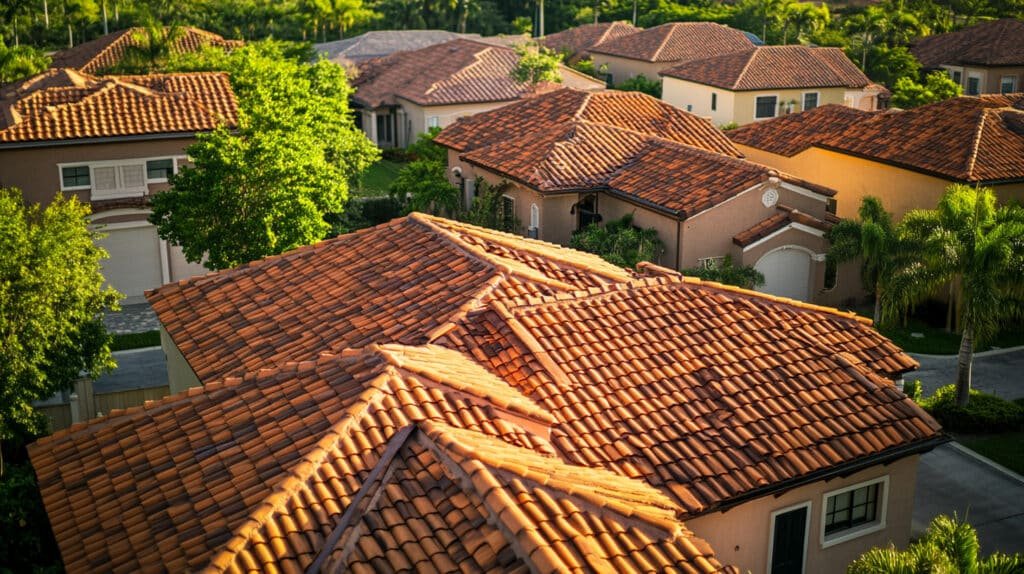




Securing Emergency Roof Repairs in Palm Beach with Dream Team Roofing
Experiencing storm damage to your roof in Palm Beach County demands immediate action to prevent water intrusion, mold growth, and structural weakening. This guide explains how to evaluate damage signs, compare emergency roof tarping and shrink wrap roofing, navigate local codes and insurance, and plan for hurricane season. You will learn:
- Why prompt temporary protection matters.
- Which cover materials suit Florida storms.
- How to select durable, code-compliant solutions.
- What steps and documentation insurers require.
By following these steps, homeowners secure their property against further harm while preparing for permanent repairs with expert 24/7 emergency response and insurance claim assistance.
Why Is Immediate Temporary Roof Protection Crucial After Storm Damage in Palm Beach County?
Immediate temporary roof protection defines whether a minor leak becomes major water damage, and it ensures structural safety until full repair. Rapid application of covers stops rainwater, debris, and UV exposure from compromising roof decking and interiors. In Palm Beach County’s hurricane-prone climate, swift action mitigates mold growth and preserves home value while professional crews deploy 24/7 emergency services.
What Are the Common Signs Your Roof Needs Temporary Covering?
Homeowners should watch for obvious and subtle indicators of compromised roofing after storms:
- Water stains or dripping in attic spaces indicate active leaks.
- Missing or damaged shingles expose underlayment to rain.
- Sagging roof planes suggest structural saturation or deck rot.
- Debris accumulation and displaced flashing create water channels.
- Cracked tiles or punctures in metal roofing allow moisture entry.
Recognizing these warning signs accelerates emergency response and reduces interior damage. Knowing when to tarp or seal with shrink wrap leads us to understanding how storms degrade roof integrity.
How Do Hurricanes and Tropical Storms Impact Roof Integrity in Palm Beach County?
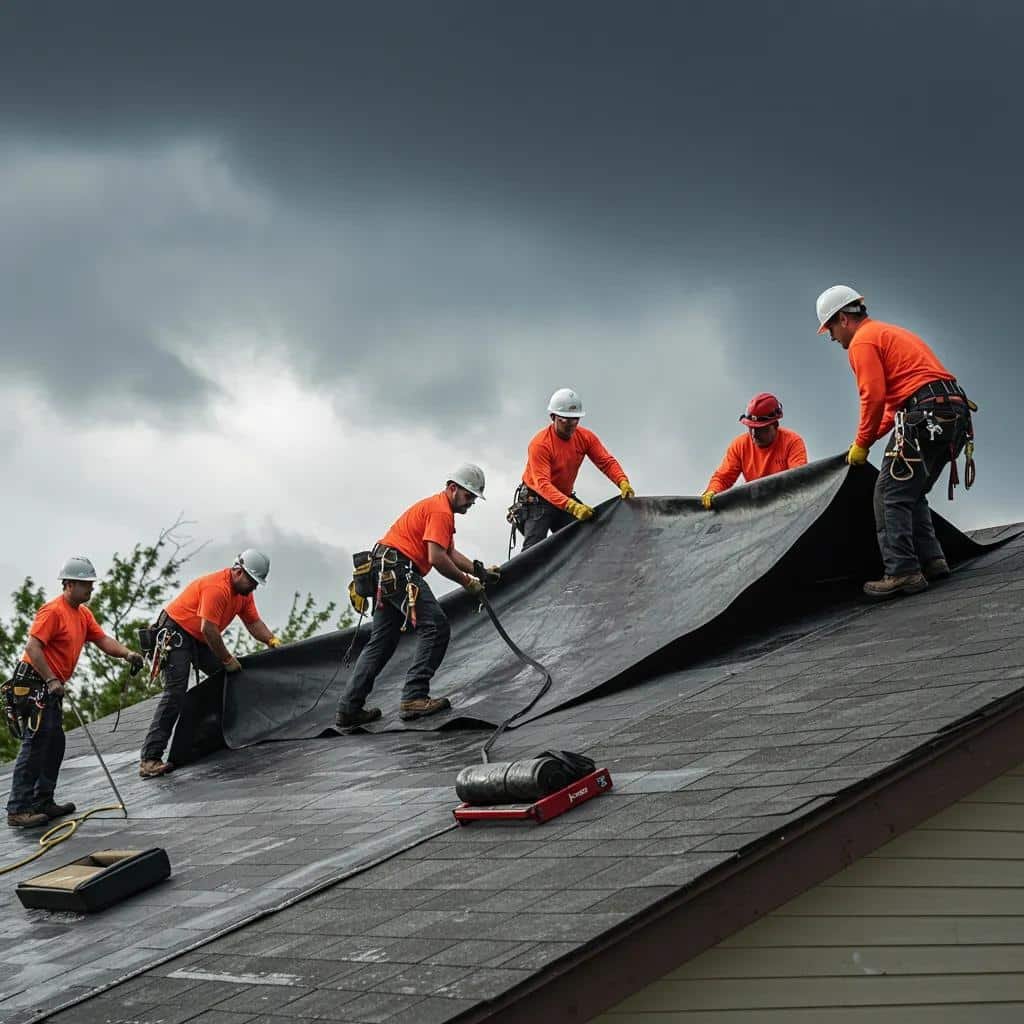
High winds in hurricanes exert up to 150 mph pressure on roofing materials, lifting shingles and loosening fasteners. Torrential rain saturates underlayment and causes water intrusion within minutes, while flying debris punctures membranes. Sea-salt corrosion accelerates metal roof degradation, and repeated storm stress weakens deck connections. These forces highlight the necessity of robust temporary covers designed for wind and water resistance.
Storm-driven damage pathways include wind uplift, water infiltration, and physical breaches. These combined effects underscore the need for materials rated for Florida’s coastal conditions before transitioning to permanent repairs.
Temporary Roof Coverings for Disaster Recovery: A Hurricane Michael Case Study
This paper examines the application of cost-effective temporary coverings on the roofs of eligible residences to mitigate further damage post-disaster. It references the utilization of tarps in counties impacted by Hurricane Michael and proposes future research avenues, including the exploration of machine learning techniques for generalized roof damage detection and enhanced disaster recovery.Classifying building roof damage using high resolution imagery for disaster recovery, Y Ahn, 2023
What Risks Does Delaying Temporary Roof Repairs Pose?
Delaying temporary repairs amplifies water damage, mold proliferation, and structural decay. Key consequences include:
- Water damage that compromises drywall, insulation, and electrical systems.
- Mold growth within 24–48 hours in humid Florida conditions.
- Rotting roof decking and compromised truss connections.
- Increased repair costs due to progressive interior damage.
- Insurance claim denials for failure to mitigate further loss.
Prompt protective measures safeguard home safety and insurance coverage. Ensuring your roof is covered within hours of damage leads to exploring available temporary solutions.
Mitigating Hurricane Damage: Residential Roof Protection Strategies
Hurricane damage to residential structures: risk and mitigation. … damage from hurricanes when properly applied, and this paper discusses building techniques that can mitigate hurricane damage … range from simple removable plywood sheeting …Hurricane damage to residential structures: risk and mitigation, Unknown Author, 1996
What Types of Temporary Roof Solutions Are Available in Palm Beach County?
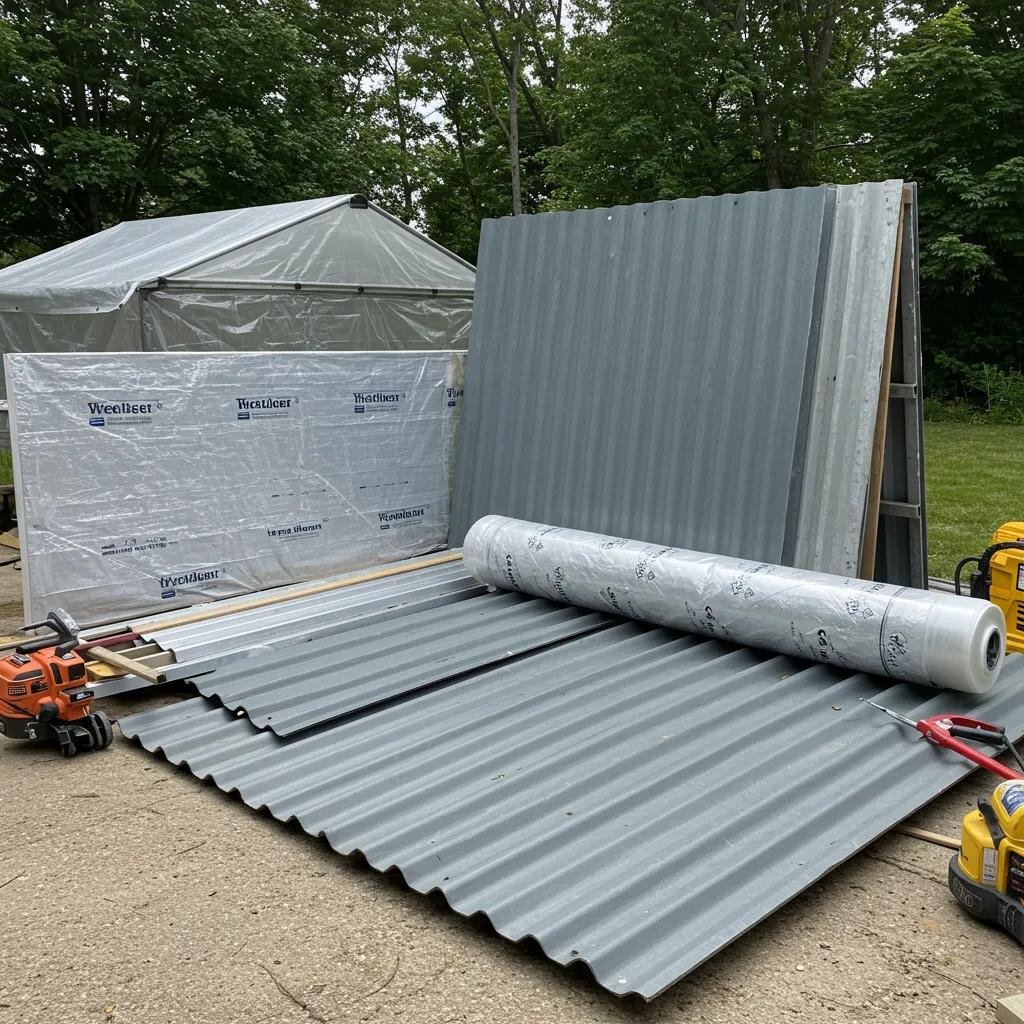
Temporary roof solutions range from tarping to heat-sealed shrink wrap and alternative materials. Each method delivers varying degrees of water repellency, wind resistance, and installation complexity. Selecting the right cover aligns with damage severity, roof type, and expected duration before permanent repair.
How Does Emergency Roof Tarping Provide Quick Protection?
Emergency roof tarping delivers immediate coverage by securing a water-resistant polyethylene sheet over damaged areas. Professionals anchor tarps with durable fasteners and sandbags to prevent uplift. This method:
- Seals exposed decking against rainfall.
- Contains water intrusion until permanent fixes.
- Offers flexibility for irregular roof shapes.
Emergency tarping provides fast, cost-effective protection for up to six months, enabling homeowners to coordinate repairs without risking ongoing interior damage.
Emergency Housing: Utilizing Tarpaulins for Temporary Roof Repair
Place plastic sheeting/tarp over the opening and secure the cap. … stable; however, the roofing and potentially the siding may require patching due to their organic material composition. Tarpaulins will provide a temporary solution for…Emergency Homes, Unknown Author, 2017
What Are the Advantages of Shrink Wrap Roof Sealing Over Traditional Tarps?
Shrink wrap roofing uses heat-sealed PVC film to form a drum-tight barrier. The process involves:
- Affixing film to roof edges and heat-shrinking for tension.
- Creating a seamless, waterproof seal around penetrations.
- Offering UV resistance and wind ratings up to 85 mph.
Compared to tarps, shrink wrap roofing endures longer in coastal winds and prevents pooling. Its precision seal minimizes leak points and extends temporary protection up to a year under normal conditions.
Which Other Temporary Roof Materials Are Suitable for Florida Storms?
Beyond tarps and shrink wrap, homeowners can consider:
- Corrugated metal panels for puncture-resistant cover.
- Heavy-duty plastic sheeting secured under metal strips.
- Canvas roof covers with water-repellent coatings.
Each alternative balances durability, installation effort, and cost. Material choice depends on roof pitch, accessibility, and expected exposure to wind and sun.
How Do Roof Types Affect Temporary Cover Material Choice?
Roof construction influences cover selection:
- Flat roofs favor heat-sealed membranes to prevent water pooling.
- Shingle roofs accept overlapping tarps or wrap systems.
- Tile roofs require custom-fitted shrink wrap to conform around tiles.
- Metal roofs benefit from corrugated panels or tightly fastened sheeting.
Matching cover type to roof substrate ensures reliable adhesion and wind stability, preparing your home for emergency protection and subsequent permanent repair.
How to Choose the Best Temporary Roof Solution for Your Palm Beach County Home?
Selecting an optimal temporary covering involves assessing damage, evaluating material performance, understanding costs, complying with regulations, and relying on licensed professionals. A systematic approach assures durable protection and seamless transition to permanent restoration.
How Should You Assess Roof Damage Severity and Type?
Inspect damage in daylight and after safety checks, documenting:
- Extent of missing or broken shingles, tiles, or panels.
- Size and location of water stains or active leaks.
- Condition of roof decking and visible structural members.
- Debris impact zones and puncture points.
Accurate damage mapping informs whether a simple tarp, shrink wrap system, or other cover suits your roof’s condition and shape.
Why Is Durability and Weather Resistance Vital for Florida’s Climate?
Florida’s combination of high humidity, intense UV exposure, and hurricane-force winds demands materials rated for coastal conditions. Durable covers must:
- Resist tears from windborne debris.
- Block 100% of rainfall and UV rays.
- Maintain adhesion under temperature extremes.
Prioritizing weather-resistant products preserves structural integrity and extends the life of temporary protection until permanent repairs are scheduled.
What Are the Cost Considerations for Temporary Roof Solutions?
Budgeting for temporary protection requires balancing upfront expense against potential interior damage costs. Typical cost factors include:
- Material quality and wind rating.
- Professional installation versus DIY labor.
- Coverage area and complexity of roof geometry.
- Duration of protection needed before permanent repair.
Investing in higher-grade materials can reduce risk of secondary damage and insurance claim complications.
How Do Local Building Codes and Permitting Affect Temporary Roof Installation?
Palm Beach County regulations mandate that all roof work, even temporary, comply with local building codes and permitting requirements. Owners must:
- Apply for a temporary roofing permit when coverings remain beyond 30 days.
- Ensure wind-uplift testing and fastening methods meet county standards.
- Retain documentation of code-compliant installation for insurance claims.
Adhering to these rules avoids fines and ensures temporary solutions align with permanent repair guidelines.
Why Hire Licensed Temporary Roofing Contractors in Palm Beach County?
Licensed contractors guarantee:
- Compliance with Florida Building Code and county amendments.
- Use of approved materials rated for hurricane protection.
- Professional installation that withstands high winds and rain.
- Assistance with insurance documentation and claim approvals.
Engaging certified experts reduces installation errors and strengthens claim outcomes, linking temporary measures to long-term restoration plans.
What Is the Emergency Roof Repair Process in Palm Beach County?
The emergency repair process guides homeowners from initial damage assessment through cover installation and insurance claim support. Understanding each step accelerates recovery and secures timely professional response.
What Immediate Steps Should Homeowners Take After Roof Damage?
Homeowners should first ensure safety and document conditions:
- Evacuate electrical and water-sensitive areas to prevent hazards.
- Photograph all damage from multiple angles before covering.
- Remove interior belongings from leak zones to limit water harm.
- Notify your insurance company and request an adjuster visit.
- Contact emergency roof services for rapid tarping or shrink wrap.
These actions protect lives and belongings while creating a clear record for insurers.
How Do Professionals Handle Emergency Roof Tarping and Shrink Wrap Installation?
Emergency crews evaluate damage, select appropriate materials, and:
- Secure tarps or shrink wrap edges with fasteners compliant with 85 mph wind ratings.
- Use industrial heaters for seamless wrap tension or tar-over flashing.
- Inspect anchor points and reinforce vulnerable eaves and ridges.
- Provide written reports and material warranties for insurance files.
This disciplined approach ensures robust, code-compliant protection until full repair.
How Can You Navigate Insurance Claims for Temporary Roof Repairs in Florida?
Effective insurance navigation involves:
- Submitting pre-cover photos and post-installation reports.
- Detailing labor and material invoices for tarping or wrap services.
- Citing Florida law requiring mitigation of further damage to preserve coverage.
- Coordinating adjuster inspections with contractor presence to expedite approval.
Clear documentation and professional support maximize reimbursement for temporary solution costs.
How Long Can Temporary Roof Solutions Last in Palm Beach County’s Weather?
Temporary covers vary in lifespan depending on material quality, installation, and exposure. Knowing endurance helps plan timely permanent repair scheduling.
What Is the Typical Lifespan of Roof Tarps in Florida’s Storm Conditions?
Quality tarps rated for heavy-duty use can last up to six months under moderate conditions. However, repeated wind cycles and UV exposure may cause:
- Loss of waterproof coating.
- Tearing at stress points near fasteners.
- Loosening under high-velocity gusts.
Planning permanent restoration within 90 days minimizes risk of tarp failure and secondary damage.
How Does Shrink Wrap Extend Temporary Roof Protection Duration?
Shrink wrap film maintains a tight seal that:
- Blocks water and UV rays for up to twelve months.
- Withstands wind speeds over 80 mph without uplift.
- Prevents pooling and reduces sagging over flat or low-pitch roofs.
Longer dwell time allows flexible scheduling of permanent repairs while preserving interior dryness.
When Should You Transition from Temporary to Permanent Roof Repairs?
Transition as soon as:
- Permits and materials for full replacement are approved.
- Insurance claims for storm damage are settled.
- Experienced contractors are available for restoration.
Coordinating this changeover within six months avoids extended reliance on temporary covers and maintains home protection.
How Can You Prepare Your Palm Beach County Roof for Hurricane Season with Temporary Solutions?
Proactive installation of temporary covers before storms reduces last-minute stress and limits damage during peak hurricane months. Early measures reinforce roofing and protect attics and ceilings.
What Preventative Temporary Roof Covers Are Recommended Before Storms?
Homeowners can install:
- Reinforced shrink wrap over vulnerable seams.
- Pre-anchored tarps on sections prone to shingle blow-off.
- Wind-rated panel systems for known impact zones.
Early application strengthens roof resilience and minimizes emergency response needs after storms.
How Do Local Weather Patterns Influence Temporary Roof Preparation?
Palm Beach County experiences heavy summer showers and seasonal hurricanes. Timing cover installation to:
- Avoid midday heat which affects adhesive properties.
- Preempt passing squalls that can erode unsecured edges.
- Align with local storm track forecasts for strategic coverage.
Adjusting installation protocols to regional patterns enhances cover longevity and performance.
What Are Best Practices for Maintaining Temporary Roof Covers During Hurricane Season?
Maintaining temporary solutions involves:
- Inspecting anchor points after each high-wind event.
- Re-tensioning shrink wrap films to eliminate slack.
- Clearing debris and trimming overhanging branches.
Consistent upkeep prevents small failures from escalating and keeps your home secure until permanent repairs.
What Are the Insurance and Cost Factors for Temporary Roof Solutions in Palm Beach County?
Understanding insurance coverage and cost variation for tarping, shrink wrap, and alternative materials ensures homeowners budget effectively and secure maximum claim reimbursement.
How Does Insurance Typically Cover Emergency Roof Tarping and Shrink Wrap?
Most policies require homeowners to mitigate further damage immediately. Insurers generally:
- Cover tarp and wrap material costs plus labor if reported promptly.
- Require documentation of urgency under “mitigation of loss” clauses.
- Offer partial reimbursement when permanent restoration costs are pending.
Early engagement with adjusters and presentation of professional invoices optimizes policy benefits.
What Documentation Is Required for Successful Insurance Claims?
Effective claims include:
- Date-stamped photos before and after cover installation.
- Contractor invoices listing materials, wind-rating specifications, and labor hours.
- Written scope of work referencing local building codes.
- Adjuster reports confirming storm damage origin.
Comprehensive records support claim approval and reduce processing delays.
How Do Costs Vary Between Different Temporary Roof Materials and Services?
Cost comparison:
| Cover Type | Average Cost per 100 sq ft | Installation Time | Recommended Duration |
|---|---|---|---|
| Polyethylene Tarp | $100–$150 | 2–4 hours | Up to 6 months |
| PVC Shrink Wrap | $200–$300 | 4–6 hours | Up to 12 months |
| Corrugated Panels | $180–$250 | 3–5 hours | Up to 9 months |
What Are Common Insurance Pitfalls to Avoid When Filing for Temporary Roof Repairs?
Homeowners should steer clear of:
- Delaying notification until permanent repairs begin.
- Failing to document all steps of damage mitigation.
- Using uninsured labor that voids coverage.
- Overlooking permit requirements for extended covers.
Avoiding these pitfalls sustains policy compliance and secures full reimbursement.
Temporary roof solutions protect your home from further harm, and strategic choices in materials, installation, and documentation ensure resilient coverage through storm season and beyond. By assessing damage promptly, engaging licensed professionals, and understanding insurance processes, Palm Beach County homeowners can safeguard their property until permanent repairs restore long-term security and peace of mind.