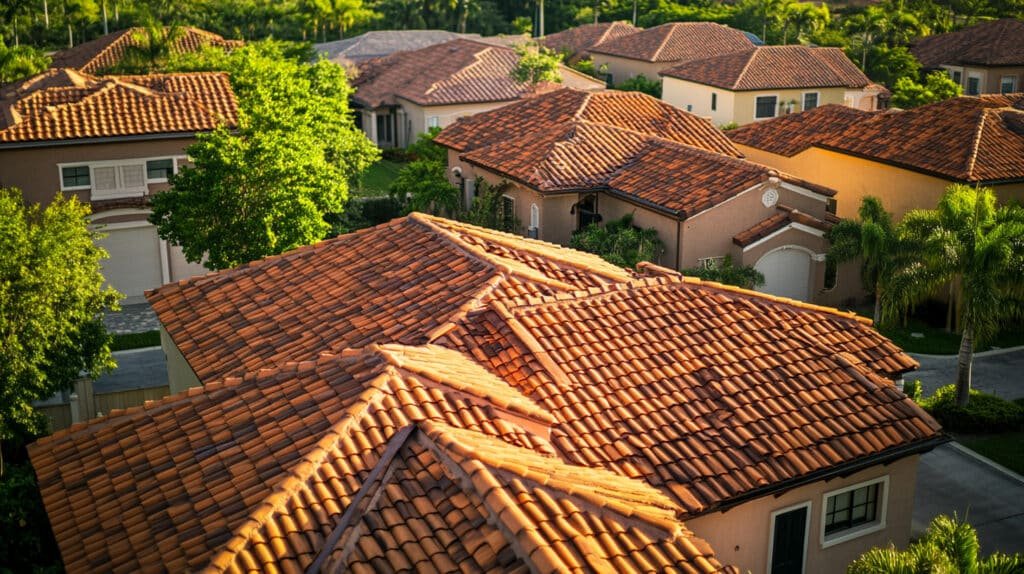




Reliable Roof Leak Repair Services in Plantation by Dream Team Roofing
Roof leak repair in Plantation, Florida refers to professional interventions that locate, stop, and restore areas where water is entering a building through the roof system. The combination of high UV exposure, persistent humidity, seasonal heavy rains, and tropical storm winds in South Florida accelerates material degradation and elevates leak risk, making timely repairs and reliable emergency response essential for homeowners. This guide explains why leaks form in this climate, how to detect them early, and which temporary and permanent repair options are most effective for local roof types. You will learn actionable inspection steps, clear indicators for calling 24/7 emergency services, transparent cost drivers with an itemized lens, roof-type-specific repair strategies, and an actionable seasonal maintenance plan tailored to Plantation homes. By following the checklists and tables below, homeowners can reduce secondary damage like attic mold and structural rot, prepare better for insurance interactions, and know when to schedule a professional roof inspection or request an estimate.
What Are the Most Common Causes of Roof Leaks in Plantation, Florida?
Roof leaks in Plantation most often result from material failure or installation issues compounded by regional weather stressors; factors include failing flashing, wind-damaged shingles, clogged gutters, compromised penetrations, and deteriorated underlayment. UV radiation and humidity accelerate sealant breakdown and granule loss on asphalt shingles, while high winds during storms can uplift shingles or displace tiles, creating direct water pathways into the roof assembly. These failure modes not only allow immediate water intrusion but also lead to hidden damage such as wet insulation, rot of roof decking, and mold growth in attics if left unaddressed. Understanding the common causes helps prioritize inspections and informs whether a targeted patch, flashing replacement, or larger deck repair is required to restore watertight performance.
Damaged flashing commonly starts small and propagates into larger leaks when left unrepaired, which is why diagnosing flashing issues early reduces downstream structural repairs. The next subsection details how flashing fails and how to spot warning signs on chimneys, valleys, and skylights.
How Does Damaged Flashing Lead to Roof Leaks?
Flashing is the thin metal or molded component installed at joints—around chimneys, valleys, skylights, and roof penetrations—to direct water clear of vulnerable seams, and damaged flashing allows water to bypass these engineered barriers. Corrosion, split sealants, improper laps, or the failure of step flashing under siding can create narrow entry points where water tracks under shingles and into the roof deck, making detection difficult until interior stains appear. Visible signs include rust streaks, separated seams, cracked or missing sealant, and water stains near roof penetrations; an attic inspection may reveal concentrated wet insulation or active dripping beneath the flashing area. Early replacement or resealing of flashing prevents progressive deck rot, and professional inspection techniques such as close-up visual checks or drone imaging can confirm hidden failures before more extensive repairs are necessary.
What Role Do Shingles and Gutters Play in Roof Leak Problems?
Shingles act as the primary weather layer on sloped roofs while gutters channel runoff away from eaves; when either component fails, water is frequently redirected into the roof assembly or fascia rather than away from it. Common shingle failure modes in Plantation include wind uplift (missing or curled shingles), granule loss from UV degradation, and cracked tabs, all of which reduce the roof’s ability to shed water. Clogged or damaged gutters cause overflow that soaks fascia and under-eave areas, allowing water to wick back under shingles or drip into soffits and attics, and poor drainage increases the chance of roof edge and fascia rot. Routine shingle checks and proactive gutter maintenance significantly reduce leak frequency and limit the scope of necessary repairs, creating a strong first defense against water intrusion.
How Can You Detect and Inspect Roof Leaks in Plantation?
Detecting roof leaks combines interior observation, exterior checks, and targeted professional tools; look for interior signs first, then perform a cautious exterior assessment and consider advanced diagnostics if the source is unclear. Interior indicators like ceiling stains, damp insulation, musty odors, or electrical tripping often precede visible exterior issues and should prompt immediate attic access (with safety precautions) to inspect the underside of the roof deck. Exterior inspections focus on visible shingle condition, flashing integrity around penetrations, gutter function, and any areas where vegetation or debris traps moisture; for hidden or intermittent leaks, professionals may use infrared scanning, moisture meters, or drone imaging to map wet areas and trace pathways. Timely detection limits secondary damages such as mold and structural deterioration, and understanding these inspection layers helps homeowners decide whether a DIY patch suffices or a professional diagnosis is required.
What to watch for inside and outside of the home are clear signals to homeowners; the following list summarizes the top signs to prioritize during inspections and when to escalate to a pro.
What Are the Signs of a Roof Leak Homeowners Should Watch For?
Homeowners can catch most developing leaks early by monitoring interior and exterior warning signs that indicate active or imminent water entry into the roof system. Interior signs include ceiling discoloration or soft spots, peeling paint, damp insulation, visible mold growth in the attic, and persistent musty odors, while exterior cues include missing or cracked shingles, visible flashing gaps, sagging roof decking, and gutters overflowing or spilling near eaves. A sudden increase in water stains after heavy rainfall or during wind-driven storms is a reliable indicator that the leak is active and requires immediate attention to prevent secondary damage. Identifying these signs early allows homeowners to prioritize temporary mitigation and schedule a professional inspection to pinpoint and repair the source.
A concise list below shows the top visible and sensory signs that should trigger a further investigation or a call to a professional roofer.
- Ceiling Stains or Soft Spots: Discolored patches or bulging paint indicate active water intrusion.
- Attic Dampness or Mold: Wet insulation or musty smells point to prolonged moisture exposure.
- Missing or Damaged Shingles: Wind uplift and broken tabs are common external leak sources.
- Damaged Flashing or Gutter Overflow: Visible gaps or backflow indicate failures at roof edges and penetrations.
These signs help prioritize remedial steps and inform the choice between temporary fixes and permanent repairs.
Which Professional Roof Inspection Techniques Are Used in Plantation?
Professionals use a combination of visual, close-up, and technological inspection methods to accurately locate leaks and document conditions for repairs or insurance claims; each technique has specific advantages depending on the suspected failure mode. A hands-on roof and attic inspection remains the foundation—roofers examine shingles, flashing, penetration seals, and decking under safe conditions while inspecting the attic for wet insulation or deck staining. For concealed or intermittent leaks, drone surveys provide high-resolution exterior imagery without risking safety, while infrared thermography and moisture meters detect temperature differentials and elevated moisture content that reveal hidden wet areas. Detailed photo reports and written findings from these techniques support transparent repair scopes, facilitate insurance documentation, and guide efficient, targeted repairs that reduce unnecessary replacement work.
These professional methods close the diagnostic loop by identifying both visible and hidden failures, and they naturally lead into decisions about emergency interventions when the leak threatens occupants or structural elements.
When Should You Choose Emergency Roof Leak Repair Services in Plantation?
Emergency roof leak repair becomes necessary when water intrusion poses immediate danger to occupants, critical systems, or the building structure, or when weather events create continuing exposure that will rapidly worsen damage. Typical emergency triggers include active interior water entering living spaces, large areas of roof membrane or shingle loss after a storm, electrical or ceiling collapse risk from saturation, and ongoing wetting during continuing heavy rain or wind that prevents a safe or effective temporary fix. Emergency services commonly provide rapid tarping, temporary flashing or membrane patches, water removal, and documentation of damage for insurance purposes; these immediate steps stabilize the property and reduce the scope and cost of subsequent permanent repairs. Knowing when to call emergency response reduces mold risk, preserves salvageable materials, and simplifies later restoration.
Rapid response is most valuable when active water threatens interiors or when storm damage makes standard scheduling impractical; the next subsection explains measurable benefits of 24/7 intervention.
How Does 24/7 Rapid Response Help Prevent Further Damage?
A 24/7 rapid response team can rapidly apply temporary protection such as tarping or secure membrane patches, preventing continued water entry and limiting damage to interior finishes, electrical systems, and structural members. Immediate mitigation reduces the duration of moisture exposure, which in turn lowers the chance of mold colonization and the need for extensive remediation; minimizing exposure also preserves more original materials, reducing replacement cost and project duration. Prompt documentation and emergency measures create a clearer timeline for adjusters and help homeowners support insurance claims, while prioritizing occupant safety and reducing secondary damages like rot or insulation loss. For storm-impacted properties, quick stabilization often means the difference between a localized repair and a full roof replacement.
When rapid response is required, technicians provide short-term fixes; the following subsection lists common temporary solutions used instantly after storm damage and explains their limitations.
What Storm Damage Repairs and Temporary Solutions Are Available?
After storms or sudden failures, common temporary solutions include installing tarps over exposed areas to shed water, applying temporary sealants around penetrations, securing loose shingles or tiles, and installing temporary membrane patches on flat roofs to relieve ponding. Tarping is a fast, cost-effective stabilization method that prevents additional interior water damage but is not a long-term waterproof solution; professional crews secure tarps to avoid wind uplift and to maintain safety around electrical hazards. For flat roofs, temporary ponding relief through portable pumps or temporary tapered covers can prevent continued saturation until permanent drainage corrections are made.
While these measures reduce immediate damage, permanent repairs—such as flashing replacement, underlayment renewal, or deck repair—are typically required after the roof is stabilized.
Local roof leak repair services often offer emergency response and tarping without long-term commitment; many providers also document emergency work for insurance claims and provide limited warranties on stabilization work. If you face an urgent leak, consider requesting rapid response coverage and ask the provider for written documentation of emergency measures. These service descriptions help homeowners choose qualified, insured crews when timing and damage make swift action essential.
What Factors Influence the Cost of Roof Leak Repair in Plantation, Florida?
Repair costs depend on several clear factors: roof material, leak severity, accessibility and roof pitch, extent of deck or structural damage, required permits or HOA compliance, and labor rates influenced by local market demand. Materials like asphalt shingles tend to be less expensive for minor patching, while tile, metal, and specialized flat membranes require skilled labor and potentially higher material costs; greater leak severity that exposes or damages decking raises both labor time and material needs substantially. Accessibility challenges—steep pitches, multi-level roofs, or dense vegetation—add safety measures and time, increasing price. Understanding these drivers helps homeowners evaluate estimates and anticipate price ranges for simple patches versus partial or full replacements.
Below is an EAV-style table that shows how common cost factors influence pricing with example notes and ranges to guide homeowner expectations during project planning and estimate comparisons.
The key cost drivers break down into clear categories homeowners can reference when reviewing quotes or planning repairs.
| Cost Factor | How It Affects Price | Example/Range/Note |
|---|---|---|
| Roof Material | Specialized materials increase labor and parts cost | Asphalt shingle: lower; Tile/Metal: higher due to matching/skill |
| Leak Severity | More extensive damage requires more labor/materials | Patch vs. partial re-roof vs. deck replacement |
| Roof Pitch & Access | Steep or inaccessible roofs need extra safety/time | Could increase labor by 10–30% |
| Permits & HOA Requirements | May add administrative and compliance costs | Permit fees vary; HOA approvals can delay work |
| Labor Rates & Demand | Local labor availability influences hourly rates | Storm surges increase prices temporarily |
How Do Roof Materials and Leak Severity Affect Pricing?
Material type directly impacts both parts cost and required installer expertise: asphalt shingle patches generally cost less due to material availability and simpler techniques, whereas tile repairs may require matched tiles and careful underlayment work, and metal roof repairs often need seam welding or specialized fastener replacement. Leak severity scales costs from a simple localized shingle or flashing patch to partial section replacement that includes new underlayment and possible deck replacement; when decking is rotted or mold is present, remediation and replacement increase material and disposal costs substantially. Accessibility and safety requirements add to labor time and equipment needs, and insurers often consider the documented repair extent to determine claim coverage. Evaluating materials and severity together reveals whether a repair is a short-term fix or part of a longer-term roof-life strategy.
The next subsection explains how and where homeowners can obtain legitimate free estimates and what to expect in the documentation contractors provide.
Where Can You Get Free Roof Leak Repair Estimates in Plantation?
Legitimate free estimates should include a written scope of work, itemized materials and labor, photographic documentation of damage, proposed timeline, and clear statements about whether the estimate covers permanent repair or emergency stabilization. When requesting estimates, homeowners should ask contractors to itemize flashing replacement, shingle or tile materials, underlayment, decking repair, permit fees, and any disposal costs; contractors should also confirm licensing and proof of insurance in writing. Red flags include vague scopes, pressure to sign immediately, or estimates that lack documentation and photos—solid providers supply clear comparisons and explain warranty terms and insurance support. Gathering multiple written estimates and comparing the same scope reduces surprises and helps homeowners select the right balance of cost, quality, and timeliness.
- Request multiple written estimates: Compare scope, materials, and timeline for objective evaluation.
- Ask for photo documentation: Visuals support insurance claims and clarify what is being repaired.
- Confirm licensing and insurance: Ensure the contractor documents these items in the estimate.
These steps ensure homeowners can objectively compare offers and avoid surprise costs while producing documentation useful for claims and repair verification.
How Are Different Roof Types Repaired for Leaks in Plantation?
Different roof systems require distinct repair methods because each material and assembly responds differently to weather and aging; common local types include asphalt shingle, tile, metal, and flat membrane roofs. Matching the repair approach to the roof type avoids recurring failures: asphalt shingles often need targeted replacement and flashing attention, tiles require matched replacement and underlayment checks, metal roofs require seam and fastener repairs, and flat roofs demand membrane patches and drainage corrections to prevent ponding. The table below compares roof types, common leak causes, and recommended repair methods with expected lifespan notes to help homeowners decide between repair and replacement strategies.
| Roof Type | Common Leak Cause | Recommended Repair Method / Typical Lifespan |
|---|---|---|
| Asphalt Shingle | Wind uplift, granule loss, flashing failure | Shingle section replacement, flashing and underlayment repair; 10–20 years for patched sections |
| Tile | Broken tiles, failed underlayment | Replace broken tiles, replace underlayment where compromised; matching tiles essential |
| Metal | Seams, fastener corrosion, panel displacement | Reseal seams, replace fasteners, re-secure panels; long-lasting with proper sealing |
| Flat Membrane | Ponding, seam failure, membrane puncture | Patch or replace membrane, improve drainage; frequent maintenance needed to extend life |
What Are the Best Repair Methods for Asphalt Shingle Roof Leaks?
Asphalt shingle repairs range from individual shingle replacement to partial re-roofing, with flashing and underlayment checks central to durable outcomes; a minor leak often calls for shingle replacement and resealing of adjacent flashing. Repairers lift surrounding shingles to replace damaged tabs, ensure proper nailing and adhesive where required, and inspect underlayment for concealed wetness—if underlayment or decking shows rot, a section replacement is necessary. Preventive steps include replacing failing flashing, cleaning and aligning gutters, and addressing attic ventilation to slow UV and heat-related degradation. When repairs become frequent or large areas show wear, homeowners should evaluate full re-roof options for long-term cost-effectiveness.
How Are Tile, Metal, and Flat Roof Leaks Addressed Differently?
Tile roofs typically require replacing broken tiles and repairing underlayment underneath; because tiles interlock and protect underlayment, hidden underlayment failure often necessitates partial removal and close matching of replacement tiles. Metal roof repairs focus on seam integrity and fastener replacement or resealing, and may involve welding or specialty sealants to restore weathertight joints without compromising coating systems. Flat roofs rely on continuous membranes; common fixes include cut-and-patch membrane repairs, reinforcement of seams with heat welding or cold adhesives, and drainage corrections to eliminate ponding that accelerates membrane failure. Each roof type calls for a professional with the right tools and materials to ensure repairs restore long-term roof performance.
How Can Preventative Maintenance Help Avoid Roof Leaks in Plantation Homes?
Preventative maintenance prevents small failures from becoming major leaks by addressing common failure points seasonally and through scheduled professional inspections; routine care extends roof life and reduces emergency repairs. In Plantation’s climate, maintenance should be timed around hurricane season, peak UV months, and post-storm cleanups to clear debris, inspect flashing and penetrations, and verify drainage. Annual maintenance plans typically include an on-roof visual inspection, gutter cleaning, minor flashing or shingle repairs, and a written report that documents conditions for warranty and insurance purposes. Investing in preventive maintenance often yields an attractive return by reducing unexpected emergency calls, prolonging roof materials, and preserving interior finishes.
The table below outlines maintenance tasks, expected frequency, and whether the homeowner or a pro should perform them, helping homeowners set a practical seasonal checklist.
| Maintenance Task | Frequency | Owner vs. Professional / Seasonal Notes |
|---|---|---|
| Gutter cleaning & downspout check | Twice yearly (spring, pre-hurricane) | Owner can perform; pro if gutters are high or damaged |
| Flashing and penetration inspection | Annually and after storms | Professional inspection recommended for detailed checks |
| Shingle/tile spot checks | Biannually | Owner for visual checks; pro for repairs |
| Membrane & drainage review (flat roofs) | Annually and after heavy storms | Professional evaluation advised for ponding solutions |
What Are Essential Seasonal Roof Maintenance Tips for Florida Climates?
Seasonal maintenance for Florida climates prioritizes debris removal, securement of loose shingles or tiles before hurricane season, and monitoring sealants that degrade under intense sun and humidity. Before hurricane season, trim overhanging branches, secure or replace loose shingles, and verify that gutters and downspouts route water away from the foundation; immediate post-storm inspections focus on identifying displaced tiles, uplifted shingles, and flashing damage. Regular attic ventilation checks and moisture monitoring reduce heat buildup and slow underlayment deterioration, while a professional inspection after major storms provides documentation useful for insurance claims. These seasonally targeted actions reduce leak risk and improve the roof’s ability to withstand wind-driven rain and UV stress.
The U.S. Army has a large inventory of buildings with low-slope membrane roofs, and the cost resulting from water damage between a leak’s onset and its repair can be very high.
Survey of Passive Leak Detection Technologies for Membrane Roofing
The U.S. Army has a large inventory of buildings with low-slope membrane roofs. Eventually, most of these roofs will experience flaws that allow water intrusion. The cost resulting from water damage to the roofing system, structure, and building contents that can occur between the time a leak begins and is located and repaired can be very high. A passive roof leak detection system PRLDS could help Army managers by providing early leak detection and could potentially reduce the Armys roofing maintenance budget.
Survey of passive leak detection technologies for membrane roofing, 1994
- Pre-hurricane preparations: Trim trees, secure loose materials, and check gutters.
- Post-storm checks: Inspect for displaced tiles, missing shingles, and flashing gaps.
- Routine summer inspections: Monitor sealants and underlayment for UV-related degradation.
How Do Annual Roof Maintenance Plans Protect Against Future Leaks?
Annual maintenance plans bundle inspections, minor repairs, and priority scheduling to prevent small issues from becoming urgent problems; they often include written condition reports, seasonal cleanings, and negotiated rates for any prioritized follow-up work. These plans help maintain warranty compliance by documenting routine care, provide quicker service windows during peak storm seasons, and typically reduce per-incident costs by catching problems early. From a financial perspective, steady maintenance lowers the frequency of emergency calls and major replacements, producing savings over a multi-year horizon versus reactive repairs. For homeowners seeking predictable upkeep, an annual plan ensures a documented maintenance history that supports insurance claims and simplifies long-term roof management.
The U.S. Army has a large inventory of buildings with low-slope membrane roofs, and providing managers with a system to detect leaks could reduce their roofing maintenance budget.
Laboratory Investigation of Sensors for Passive Roof Leak Detection Systems
The U.S. Army has a large inventory of buildings with low-slope membrane roofs. Between the time that leaks to these roofs occur and are detected, located, and repaired, water damage to roofing systems, structures, and building contents can be quite costly. Providing Army managers with a system to detect roof leaks could reduce the Armys roofing maintenance budget. An initial investigation identified the four components of a passive roof leak detection system PRLDS sensors, signal, transmission medium, and a signal processing unit. Laboratory investigations of six promising sensor technologies were conducted to evaluate their effectiveness for application with PRLDS.
Laboratory Investigation of Selected Sensors for Use with Passive Roof Leak Detection Systems., 1998
Many local roof repair services offer annual maintenance or inspection packages and can coordinate seasonal checks with documentation; homeowners should ask about plan inclusions, scheduling priority, and the scope of minor repairs covered when evaluating providers. Scheduling a professional roof inspection or requesting an estimate is recommended if you suspect evolving issues or before hurricane season to ensure timely, documented maintenance.
Schedule a professional roof inspection or request an estimate to get a documented condition report and a prioritized maintenance plan tailored to your roof type and local conditions.