



Best Roof Replacement Experts in Boca Raton, FL: Your Complete Guide to Quality Roofing Services
Roof replacement in Boca Raton demands a local, hurricane-aware approach that balances cost, materials, and code compliance to protect homes against heavy winds, salt air, and intense UV exposure. This guide explains what Boca Raton homeowners need to know about replacing a roof: clear cost ranges, material pros and cons for South Florida, how to evaluate contractors, a practical replacement timeline, hurricane-resistant upgrades, and post-installation warranty and maintenance options. Many homeowners face urgent decisions after storm damage or when a roof reaches the end of its useful life; this article helps you prioritize durability, wind resistance, and long-term value while avoiding common pitfalls. You will find a granular cost breakdown by material and common add-ons, a materials comparison table tailored for Boca Raton, a step-by-step insurance-claims checklist, and practical contractor vetting advice. Read on for local code considerations, storm-ready installation techniques, and maintenance practices that extend service life and preserve warranties.
If you prefer immediate help, local contractors often provide free roof inspections and written estimates; insert verified company contact details here or remove this placeholder if none are available. This soft CTA is intentionally generic to let homeowners request a free inspection or quote without implying specific provider details.
How Much Does Roof Replacement Cost in Boca Raton?
Roof replacement costs in Boca Raton vary primarily by material, roof area, pitch, tear-off needs, and any required structural or permit upgrades; typical ranges reflect these drivers and local labor markets. At a high level, homeowners should expect asphalt shingle replacements to be the most budget-friendly option, metal and flat systems to sit in the midrange, and tile to be the highest-cost option due to materials and structural work. Additional cost drivers include decking replacement, disposal and permit fees, hurricane straps or secondary water barriers, and complexity such as multiple valleys or roof-mounted equipment. Understanding these factors helps homeowners create realistic estimates and compare contractor quotes on an apples-to-apples basis before pursuing financing or insurance claims.
The following table gives a quick, scannable cost comparison for common materials and add-ons in Boca Raton homes.
| Material / Service | Typical Cost Basis | Typical Range |
|---|---|---|
| Asphalt shingles (full tear-off) | per sq ft installed | $3.00 – $5.00 |
| Metal roof (standing seam) | per sq ft installed | $5.00 – $12.00 |
| Clay/concrete tile | per sq ft installed | $8.00 – $15.00 |
| Flat roof (TPO/modified) | per sq ft installed | $5.00 – $10.00 |
| Tear-off & disposal | per square (100 sq ft) | $150 – $350 |
| Decking replacement | per sq ft | $3.00 – $7.00 |
| Permits & inspections | per job | $200 – $1,200 |
This cost table shows material-driven differences and typical add-on ranges so you can compare quotes meaningfully and budget for permit and repair contingencies.
What Factors Influence Roof Replacement Prices in Boca Raton?
Material selection, roof size, and pitch are the strongest price variables because they directly determine material quantity and installation complexity. A steep, multi-faceted roof increases labor hours and safety measures, while larger roofs spread fixed costs but raise total material expenses. Tear-off versus overlay choices change disposal and labor fees; a full tear-off adds disposal and inspection that can reveal decking repairs, which in turn increase cost. Local code upgrades for wind uplift, hurricane straps, and required underlayment or secondary water barriers also add to the estimate but improve long-term resilience. Finally, timing—such as emergency post-storm work—can increase costs due to expedited scheduling and supply constraints, so planning ahead typically yields better pricing and availability.
To help prioritize budgeting, consider this quick checklist of cost-driving items and typical homeowner actions.
- Material choice: Select the performance level you need and verify wind ratings.
- Scope clarity: Require a line-item estimate distinguishing materials, labor, permits, and disposal.
- Inspection contingency: Budget for potential decking or structural repairs found during tear-off.
- Upgrade items: Include hurricane straps and secondary barriers when comparing quotes.
This list helps you ensure quotes are comparable, reducing surprises when work begins and ensuring decisions consider both upfront cost and long-term value.
Are Financing and Insurance Claims Available for Roof Replacement?
Financing options and insurance claims can significantly offset out-of-pocket costs for roof replacement in Boca Raton when handled correctly and documented thoroughly. Many local contractors work with financing partners to offer home-improvement loans or payment plans, while insurers often cover storm-related roof damage if an adjuster documents that the cause is a covered peril. Homeowners should document damage promptly with photos, secure a professional inspection report, and obtain a detailed contractor estimate that separates pre-existing wear from storm damage. When filing a claim, provide the insurer with the inspection report, photographic evidence, and the contractor’s line-item estimate to streamline evaluation; keep copies of all communications and receipts in case of dispute.
Follow this insurance-claim checklist to help ensure a smoother claims process:
- Photograph all visible damage immediately after the event.
- Schedule a professional inspection and obtain a written report.
- File an insurance claim and provide the inspection report and estimates.
- Coordinate adjuster visits and keep records of all interactions.
Completing these steps reduces delays, helps establish the cause of damage, and positions homeowners to pursue both insurance proceeds and contractor financing when needed.
What Are the Best Roofing Materials for Boca Raton Homes?
Choosing the right roofing material in Boca Raton requires balancing hurricane resistance, corrosion resistance from salt air, UV durability, aesthetic preference, and budget; each material offers distinct trade-offs. Metal roofs deliver high wind resistance and reflectivity, lowering cooling loads, while tile roofs offer exceptional longevity and classic Florida aesthetics but often require structural assessment due to weight. Asphalt shingles remain a cost-effective choice with modern high-wind options, though life expectancy is typically lower in intense sun and salt environments. Flat roof systems such as TPO or modified bitumen are common for low-slope areas and can be specified with reflective membranes to improve energy performance. Selecting a material should pair performance needs with warranty coverage and installer expertise.
The table below compares the primary material attributes relevant to Boca Raton climates.
| Material | Lifespan (years) | Hurricane Resistance | Energy Note | Typical Cost Range |
|---|---|---|---|---|
| Asphalt shingles | 15–20 | Moderate (with high-wind options) | Moderate | $3.00–$5.00/ft² |
| Metal (standing seam) | 30–50+ | High | High reflectivity, lowers cooling loads | $5.00–$12.00/ft² |
| Clay / concrete tile | 25–50+ | High (with proper anchoring) | Good thermal mass benefits | $8.00–$15.00/ft² |
| TPO / Modified flat | 10–20 | Moderate (depends on membrane) | High reflectivity options available | $5.00–$10.00/ft² |
This material comparison highlights trade-offs between upfront cost, lifespan, and hurricane performance so you can align selection with your home’s priorities and insurance considerations.
How Do Asphalt Shingles Perform in Boca Raton’s Climate?
Asphalt shingles remain a popular economical option but require careful specification in Boca Raton due to UV exposure and potential algae growth from humidity and salt air. High-wind rated shingles with enhanced fastening systems and upgraded underlayment perform better in hurricane conditions than lower-grade products. Expect shorter lifespans compared with tile or metal—typically 15 to 20 years under South Florida conditions—so factor replacement timing into long-term budgets. Regular maintenance like cleaning algae and inspecting flashings helps extend functional life, and choosing a shingle with a strong wind warranty can affect insurance eligibility and premiums. Proper ventilation and attic moisture control also protect shingles from premature degradation.
Understanding these limitations leads naturally to considering metal or tile when longevity and wind performance are top priorities for Boca Raton homes.
Wind Resistance of Asphalt Roofing Shingles in Florida
ABSTRACT: Dixon, Craig Robert. University of Florida ProQuest Dissertations & Theses, 2013. 3584456.
The wind resistance of asphalt roofing shingles, 2013
Why Choose Metal Roofing for Hurricane Resistance and Energy Efficiency?
Metal roofing is favored in hurricane-prone regions for high wind uplift resistance, long service life, and strong reflectivity that reduces cooling loads during hot Boca Raton summers. Modern metal systems achieve high wind ratings when installed with manufacturer-recommended fasteners, clips, and seam details; these details are critical because installation quality directly affects performance. While metal’s upfront cost is higher than asphalt, lower maintenance, extended longevity, and potential insurance discounts for wind-resistant assemblies often offset the initial investment. Energy-efficient coatings and light-colored finishes increase reflectivity and can reduce attic temperatures, improving HVAC efficiency. Metal also performs well in salt-air environments when properly coated and maintained.
These advantages make metal roofing a compelling choice for homeowners prioritizing resilience and long-term energy savings in South Florida.
What Are the Style and Longevity Benefits of Tile Roof Replacement?
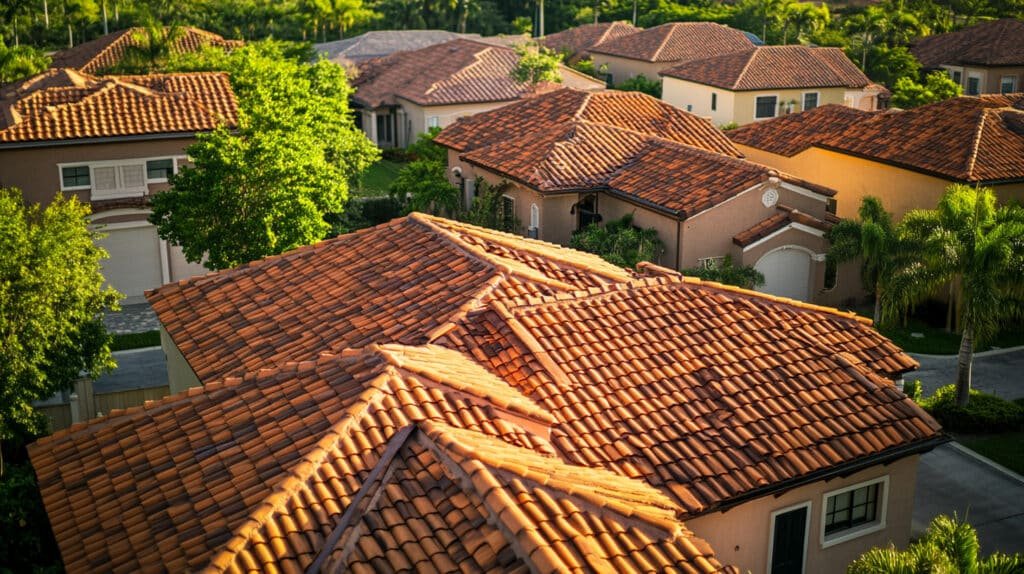
Tile roofs—clay or concrete—offer distinctive Mediterranean and mission-style aesthetics paired with exceptional durability, often lasting 50 years or more when properly installed and maintained. Tile’s mass and shape provide natural ventilation and thermal benefits, and concrete or clay tiles with proper anchoring and underlayment can withstand high winds common to Boca Raton when retrofitted or installed to current code. The higher initial cost reflects material, heavier framing requirements, and skilled labor for installation; a structural assessment during planning ensures framing can support tile weight. Maintenance focuses on replacing broken tiles, ensuring flashings and underlayment remain intact, and inspecting for algae or salt-related deposits—tasks that preserve tile longevity and warranty coverage.
Tile’s longevity and style make it attractive for homeowners seeking both curb appeal and a long-lasting roof system.
How Do You Choose the Best Roof Replacement Experts in Boca Raton?
Choosing a qualified roof replacement contractor in Boca Raton means verifying licenses, insurance, track record with hurricane retrofits, and transparent, written estimates that detail materials and labor. A contractor should demonstrate familiarity with Florida Building Code requirements and local permit processes, provide manufacturer certifications for installed products when available, and offer clear workmanship warranties. Local references and recent project photos from Boca Raton-area installs help confirm the contractor’s ability to meet performance expectations in similar conditions. Always compare multiple bids for scope equivalence and insist on written agreements that specify timelines, cleanup responsibilities, and payment schedules tied to completed milestones.
Use the checklist below to vet roofing contractors effectively.
- Verify credentials: Confirm Florida roofing license and proof of liability and workers’ compensation insurance.
- Confirm local experience: Request local Boca Raton references and recent project photos.
- Review warranties: Ask for manufacturer certification and written workmanship warranty details.
- Check estimates: Ensure line-item estimates separate materials, labor, permits, and contingencies.
Applying this checklist helps homeowners avoid common hiring mistakes and select a contractor who understands local codes and hurricane resilience requirements.
What Credentials and Local Expertise Should Roofing Contractors Have?
Key credentials include a valid Florida roofing license, general liability insurance, workers’ compensation coverage, and manufacturer certifications for specific roofing systems—especially for metal and tile installations. Local expertise matters: contractors familiar with Boca Raton’s permit timelines, wind-rating requirements, and common retrofit details will anticipate code-ordered upgrades such as enhanced fastening patterns or secondary water barriers. Ask potential contractors how they document work for insurance claims, which manufacturers they partner with, and request verifiable references from recent local projects. Checking license status through the state portal and confirming insurance with the provider are essential verification steps before signing a contract.
These verification steps reduce risk and ensure installers understand the technical specifications that deliver hurricane-ready performance.
How Can Customer Reviews and Case Studies Help You Decide?
Customer reviews and case studies reveal how a contractor handled project challenges, timeliness, and warranty follow-through; prioritize detailed reviews with photos and specifics over generic praise. Case studies that include before-and-after images, scope descriptions, and solutions for issues such as decking replacement or hurricane retrofits are especially informative. Watch for patterns like unresolved complaints, repeated scheduling delays, or inconsistent communication—these are red flags. Request recent local references and ask to inspect completed work when possible to verify craftsmanship and cleanup standards. Properly vetted reviews and case studies complement license and warranty checks to create a fuller picture of contractor reliability.
Interpreting reviews in this way helps convert online signals into actionable trust decisions when selecting a Boca Raton roof replacement expert.
What Is the Step-by-Step Roof Replacement Process in Boca Raton?
A transparent roof replacement follows a predictable sequence: inspection and documented assessment, permit acquisition, tear-off and substrate inspection, installation, final inspection, and cleanup; each phase has typical timeframes and homeowner expectations. Inspections identify decking integrity, flashings, and penetration conditions and provide the documentation insurers require for claims. Permitting timelines vary but are a mandatory step that ensures installations meet wind-uplift and fastening patterns required by the Florida Building Code. Installation phases—tear-off, decking repair, underlayment and flashing installation, and final roofing material installation—are staged to minimize exposure and ensure quality. Allow for a multi-day schedule for average residential projects and additional time when structural repairs or inspections are required.
Below is a numbered checklist outlining the core replacement stages and typical sequence.
- Inspection and estimate: Professional roof inspection with written report and line-item estimate.
- Permitting: Contractor secures permits and schedules required inspections with the building department.
- Tear-off and deck repair: Remove old roofing, inspect and repair deck as needed.
- Installation: Install approved underlayment, flashing, and roofing material per manufacturer specs.
- Final inspection and cleanup: Complete local inspections, finish warranty paperwork, and ensure site cleanup.
This stepwise process clarifies what to expect at each stage and helps homeowners plan for scheduling, payments, and insurance interactions.
How Is a Roof Inspection Conducted Before Replacement?
A thorough roof inspection combines exterior evaluation with attic and structural checks to identify rot, moisture, flashing condition, and potential ventilation issues that affect roof longevity. Inspectors examine shingles or tiles, flashings around penetrations, ridge and soffit ventilation, gutter attachment points, and the attic for signs of leaks, mold, or inadequate insulation that can accelerate material failure. The inspector documents findings with photos and a prioritized repair list, which the homeowner can use for insurance claims or contractor bids. Request a written report that separates storm-related damage from age-related wear to support claim accuracy and to guide replacement scope decisions.
A well-documented inspection report establishes baseline evidence for insurance claims and informs accurate contractor scope and pricing.
What Are the Key Stages from Installation to Cleanup?
Installation begins with an organized tear-off day, during which crews remove old materials and expose the decking for inspection; this phase requires safety controls and debris containment. After decking repairs and installation of a code-compliant underlayment and secondary water barrier, crews install flashing, vents, and the chosen roofing material following manufacturer specifications to preserve warranties. Final quality checks include fastener torque, flashing seal integrity, and proper ridge ventilation; contractors should perform a walk-through with the homeowner to review work and address questions. Cleanup includes magnetic sweep of nails, removal of debris, and final inspection by local building officials before final payment and warranty registration.
Clear expectations for these stages help homeowners monitor progress and confirm that workmanship aligns with contractual and
Boca Raton's Premier Roof Replacement Services by Dream Team Roofing
Protecting a Boca Raton home relies on material selection, installation details, and compliance with wind-uplift and fastening requirements mandated by local code; combining these elements reduces wind damage and secondary water intrusion. Critical installation methods include specified fastener patterns, use of hurricane straps or clips, properly installed flashing, and a continuous secondary water barrier beneath the roofing material. Selecting materials with high wind ratings and choosing certified installers who follow manufacturer instructions ensures assemblies perform as tested. Homeowners should also consider incremental upgrades such as reinforced soffits, sealed ridge systems, and roof-to-wall connectors to improve whole-house resilience during tropical storms and hurricanes.
The list below ranks priority hurricane-resilience actions homeowners can adopt during replacement.
- Upgrade fastening and straps: Install to higher wind-rating patterns and add hurricane straps where required.
- Choose high-wind-rated materials: Use products with tested wind uplift certifications.
- Install a secondary water barrier: Add continuous protection beneath the primary roofing to reduce water intrusion.
- Ensure proper flashing and penetration sealing: Follow manufacturer and code details for all roof penetrations.
These steps collectively reduce wind-driven failure modes and make insurance claims and recoveries more straightforward after storm events.
Hurricane Resistant Residential Construction in Florida: Strategies and Cost Analysis
The Florida State University ProQuest Dissertations & Theses, 2023. 30526834. ABSTRACT: Rapolu, Sainath. The Florida State University ProQuest Dissertations & Theses, 2023. 30526834.
Design of Hurricane Resistant Residential Structure in Florida: Construction Strategies for Alleviation and Cost Analysis, 2023
Which Roofing Materials Offer the Best Hurricane Resistance?
Materials that consistently demonstrate high wind resistance include properly installed metal panels and well-anchored tile systems, while asphalt shingles with elevated wind ratings and correct fastening patterns can also perform well at a lower cost. Wind performance depends as much on installation quality—fastener type, spacing, and flashing detail—as on the product’s certified rating, so contractor adherence to manufacturer specifications is essential. For example, standing-seam metal installed with concealed clips and tested seam profiles provides excellent uplift resistance, and interlocking tile systems with mechanical fasteners resist displacement when anchored properly. Consider manufacturer wind-rating data and require that the installer document compliance to ensure warranty validity and maximize resilience.
Installation quality and verified wind ratings are the dual keys to hurricane-ready roofing performance in Boca Raton.
What Local Building Codes and Permits Affect Roof Replacement?
Boca Raton and Florida building codes focus on wind-uplift performance, specified fastening patterns, underlayment requirements, and inspection checkpoints to verify compliance; these codes influence permitted materials and installation methods. Typical permit steps involve submitting plan details, material specifications, and contractor license information, followed by scheduled inspections at key milestones such as after tear-off and upon final completion. Key code topics include wind uplift design pressures, flashing standards, and required attachment methods for tiles and metal. Homeowners should ask contractors to include permit fees in estimates and to provide copies of permit approvals and inspection reports as part of the final documentation.
Following local code and permit procedures protects homeowners from non-compliant installations and preserves warranty and insurance coverage.
What Maintenance and Warranty Options Are Available After Roof Replacement?
Understanding warranty types and routine maintenance needs is essential to protect your investment after a Boca Raton roof replacement; warranties differ in coverage, duration, and conditions, and maintenance prevents small issues from voiding protections. Manufacturer warranties typically cover product defects for set periods (for example, 20–50 years depending on material), while workmanship warranties from the installer cover installation-related issues for shorter durations (often 5–25 years). Maintaining warranty validity usually requires registering the product, keeping records of installation and inspections, and performing recommended upkeep such as periodic cleaning and post-storm checks. Establish a maintenance schedule and retain documentation to simplify claims and preserve long-term performance.
The table below clarifies common warranty and maintenance options and what homeowners should expect.
| Warranty / Service | Coverage / Typical Duration | Typical Requirement or Frequency |
|---|---|---|
| Manufacturer warranty | Product defects, 20–50 years | Register product; follow maintenance terms |
| Workmanship warranty | Installation defects, 5–25 years | Proof of professional installation and inspections |
| Annual maintenance service | Inspection, minor repairs | Annually or after major storms |
| Post-storm inspection | Damage assessment for claims | As-needed immediately after storms |
How Do Roofing Warranties Work in Boca Raton?
Warranties provide two complementary protections: manufacturer coverage for material defects and workmanship coverage from the installer for installation errors; both require documentation and may carry transferability conditions. Manufacturer warranties often specify that only certified installers using approved details keep the warranty valid, so choose contractors who provide registration assistance. Workmanship warranties vary significantly, so obtain written terms describing coverage scope, exclusions (for example, storm damage may be excluded), and claim procedures. Keep records of the signed contract, material invoices, warranty certificates, and maintenance receipts to support any future claims and to preserve resale value when transferring warranties.
Clear documentation and using certified installers reduce the risk of disputes and help ensure warranty claims are processed smoothly.
What Are Common Maintenance Tips to Extend Roof Lifespan?
Regular maintenance tailored to Boca Raton’s climate — including annual inspections, prompt cleanup of debris and gutters, and post-storm checks — prevents minor issues from escalating into major failures. Remove vegetation and debris that trap moisture, treat algae or staining when noted using recommended cleaning methods, and inspect flashings, seals, and penetrations for integrity. After major storms, perform immediate visual checks and schedule a professional inspection to document any damage before arranging repairs or filing insurance claims. Keep maintenance records and photographs to substantiate warranty conditions and to support future insurance interactions.
A consistent maintenance routine preserves materials and warranties, helping your roof deliver maximum lifespan and performance in South Florida conditions.
Architectural Features of Roof Cladding and Wind-Induced Uplift Loading
Widespread damage to roofing materials (such as tiles and shingles) for low-rise buildings, even for weaker hurricanes, has raised concerns regarding design load provisions and construction practices. Currently the building codes used for designing low-rise building roofs are mainly based on testing results from building models which generally do not simulate the architectural features of roofing materials that may significantly influence the wind-induced pressures. Full-scale experimentation was conducted under high winds to investigate the effects of architectural details of high profile roof tiles and asphalt shingles on net pressures that are often responsible for damage to these roofing materials. Effects on the vulnerability of roofing materials were also studied. Different roof models with bare, tiled, and shingled roof decks were tested. Pressures acting on both top and bottom surfaces of the roofing materials were measured to understand their effects on the net uplift
Research into the effects of architectural features on roofing materials under wind-induced uplift loading highlights how specific design elements can significantly influence pressure dynamics and vulnerability, suggesting that standard building code models may not fully capture these nuances.
If you’d like a no-obligation inspection or written estimate, local roofing professionals can often provide a free initial assessment and explain financing or insurance-assistance options; insert verified company contact details here or remove this placeholder if none are available. This short business note is intended for placement only when verified contact details are available and to remain secondary to the guide’s informational content.