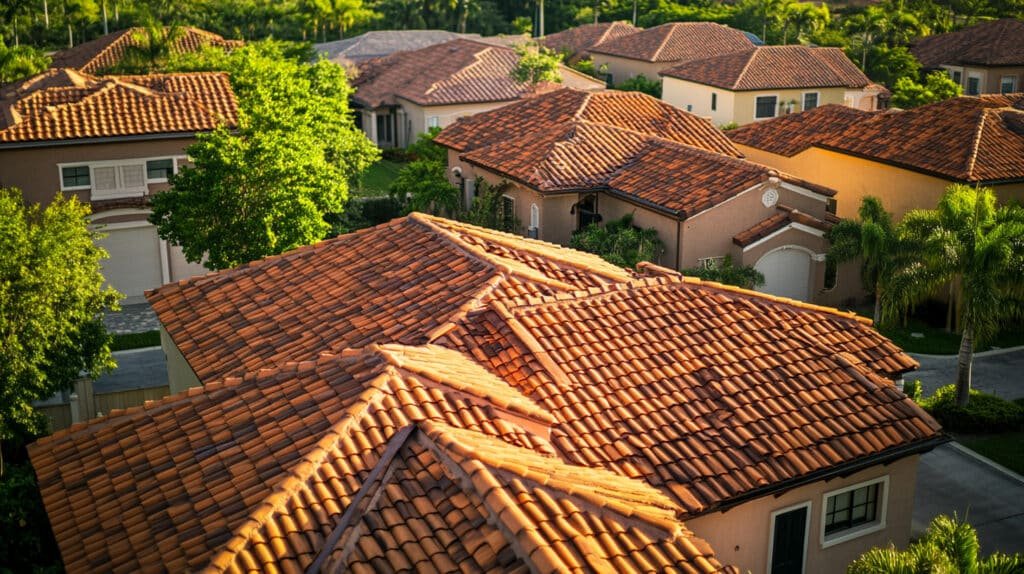




Dream Team Roofing: Reliable Roof Leak Repair in Delray Beach
Roof leaks in Delray Beach pose a unique set of challenges because coastal humidity, salt air, and seasonal storms accelerate material wear and create urgent repair needs.
This guide explains exactly how to spot, triage, and fix leaks with local best practices in mind. You will learn the most common causes of roof leaks in Delray Beach, how emergency roof leak repair services operate, realistic cost ranges and price drivers, and the repair techniques that suit flat, tile, and shingle systems. This article also walks through seasonal prevention schedules, insurance-claim documentation strategies, and the diagnostic technologies local roofers use to pinpoint hidden moisture and produce robust photo reports. Read on for step-by-step emergency workflows, clear cost tables, material-specific repair comparisons, and practical checklists designed for Delray Beach homes and HOA contexts. Throughout the guide, we use terms like roof leak repair Delray Beach FL, emergency roof leak repair Delray Beach, and flat roof leak repair Delray Beach to keep recommendations actionable and locally focused.
What Are the Most Common Causes of Roof Leaks in Delray Beach?
Roof leaks in Delray Beach most often arise from weather-driven damage, material degradation, and installation or flashing failures. Understanding these causes helps homeowners prioritize repairs and prevention. Wind-driven rain and hurricane-force gusts can lift shingles or dislodge tiles, allowing water entry at seams and penetrations. Prolonged UV exposure and humid salt air weaken underlayment and fasteners over time. Poorly sealed flashing around chimneys, vents, skylights, and plumbing stacks is a frequent failure that creates persistent leaks. Clogged gutters or improper drainage lead to ponding and membrane seam stress on flat roofs. Recognizing these primary mechanisms—external storm forces, material aging, flashing failures, and drainage problems—lets homeowners triage interior signs and communicate clearly with contractors about what to inspect next.
The most actionable next step is a focused inspection that targets these known weak points. This inspection should include attic checks, exterior flashing evaluation, and a drainage review to connect interior stains with external sources. The subsequent paragraphs break down how Delray Beach’s climate accelerates these failure modes and which roofing materials are most at risk, providing the context needed to choose repairs that address root causes rather than symptoms.
How Does Florida’s Climate Impact Roof Leak Frequency?
Florida’s climate—characterized by high humidity, intense sun, frequent thunderstorms, and an active hurricane season—directly increases roof leak frequency by accelerating material degradation and creating episodic extreme loading. Salt air near the coast speeds corrosion of metal flashing and fasteners, while persistent humidity encourages rot in organic underlayment and wood decking, which in turn magnifies leak paths when seams or flashings fail. Thermal cycling from hot days and cooler nights produces repeated expansion and contraction that stresses sealants, causing micro-gaps that grow into visible leaks after storms. Heavy tropical downpours test drainage systems and promote ponding on low-slope roofs. Understanding these regional mechanisms clarifies why seasonal maintenance and hurricane-preparedness checks are essential for Delray Beach homeowners.
These climate-driven stresses also influence material selection and repair choices, which is why later sections focus on material-specific repairs and preventative schedules tailored to coastal Florida conditions.
What Roofing Materials Are Most Susceptible to Leaks?
Different roofing materials show distinct vulnerability patterns: asphalt shingles are prone to wind uplift and granule loss, clay and concrete tiles suffer breakage and underlayment failure, and low-slope built-up or single-ply systems experience ponding and seam separation. Shingle systems commonly leak at nail holes and flashing transitions, requiring shingle replacement or flashing rework. Tile roofs often conceal underlayment tears beneath otherwise intact tiles, necessitating underlayment replacement to stop recurring leaks. Flat roofs concentrate water on membranes and seams, so once ponding begins, membrane repair or re-coating becomes urgent to avoid substrate saturation and interior damage. Metal roofs usually leak at fastener points and roof-to-wall transitions rather than across field panels. Recognizing the components that compose each system helps homeowners and contractors diagnose whether a localized repair or staged replacement is the correct approach.
This material-specific overview sets the stage for recommended repair techniques by roof type in later sections, where repair lifespans and trade-offs are compared.
How Do Emergency Roof Leak Repair Services in Delray Beach Work?
Emergency roof leak repair services in Delray Beach follow a rapid triage process that protects interiors immediately, documents damage for insurance, and schedules permanent repairs with appropriate materials; this workflow minimizes secondary damage and speeds claims. The typical emergency response sequence begins with a homeowner call and triage to assess risk level, followed by same-day temporary mitigation—tarps, spot patches, and water diversion—to stop ongoing water entry. Next comes a diagnostic inspection using visual checks and moisture detection tools to identify hidden wet areas and structural impact, with photo and video documentation provided for insurance purposes. Finally, a plan and timeline for permanent repairs or partial replacement is agreed upon. This defined flow—call, triage, temporary patch, documentation, permanent repair—ensures both immediate protection and a clear path to full restoration.
Homeowners should prepare for an emergency visit by moving belongings away from affected areas and documenting interior damage for claims.
The next subsections explain when to call immediately and the specific benefits of 24/7 response services.
After addressing how emergency workflows operate, note that local emergency teams typically offer 24/7 response, temporary tarping to stop active leaks, and fast leak mitigation to prevent mold and structural loss; homeowners should contact a local roofing contractor to schedule an inspection or emergency visit when water is actively entering the home or when interior damage threatens safety.
When Should You Call an Emergency Roofing Contractor?
Call an emergency roofing contractor immediately when water is actively entering living spaces, when ceiling bulges indicate trapped water, or when electrical fixtures are wet—these are priority conditions that present safety hazards and rapid interior damage. Other triggers include visible structural sagging, widespread attic drips suggesting roof deck failure, and storm-related impact that has dislodged significant roofing material; minor stains without active leakage can often wait for a scheduled inspection, but any sign of active water flow or compromised structure warrants immediate triage. Interim homeowner actions include placing buckets under drips, moving valuables away from wet zones, and turning off electricity to affected circuits if safe to do so, which reduces secondary losses while professionals secure the roof. Rapid action reduces mold risk and often leads to stronger insurance outcomes because immediate mitigation demonstrates reasonable care to limit loss.
This emergency decision framework naturally leads into the benefits of 24/7 services, which justify the cost of rapid response for many homeowners.
What Are the Benefits of 24/7 Roof Leak Repair Services?
Round-the-clock roof leak repair provides three clear benefits: it reduces the chance of secondary damage such as mold and structural rot, it preserves evidence and timeliness for insurance claims, and it offers homeowners peace of mind when storms strike outside business hours. Immediate temporary protection—tarps and spot repairs—stops interior water migration that can otherwise ruin drywall, flooring, and contents, translating into lower total repair costs than delayed response. From an insurance standpoint, rapid documentation and professional mitigation strengthen claim narratives and often speed adjuster approvals, because insurers look for prompt action to limit loss. Finally, having reliable emergency access minimizes homeowner stress during high-impact weather and helps prioritize permanent repairs according to risk and budget.
Prompt mitigation, combined with careful documentation, sets the stage for an efficient permanent-repair phase that balances cost, longevity, and HOA or permit requirements.
What Are the Typical Roof Leak Repair Costs in Delray Beach?
Accurate cost expectations in Delray Beach depend on repair type, roof access, and extent of hidden damage; the table below provides typical local ranges and the key factors that move prices. Small localized repairs such as flashing reseal or shingle patching typically sit at the lower end of ranges, whereas membrane replacement, extensive underlayment work, or repairs requiring scaffolding and permit management will push costs higher. Homeowners should prepare for variance due to roof pitch, deck condition, material availability, and whether interior repairs are needed for attic insulation or ceiling replacement. Use the table to match likely repair types to expected ranges and then ask for an inspection-based estimate to lock in scope and price.
| Repair Type | Typical Cost Range | Factors Affecting Price |
|---|---|---|
| Flashing repair and reseal | $250 – $900 | Access, number of penetrations, material (metal type) |
| Shingle repair/partial re-roof | $400 – $2,000 | Extent of wind damage, shingle matching, underlayment condition |
| Tile replacement and underlayment | $600 – $3,000 | Tile matching, underlayment replacement, decking repairs |
| Flat roof membrane patch or re-coat | $500 – $4,000 | Ponding extent, membrane type, need for re-leveling |
| Full roof section replacement | $1,500 – $8,000+ | Material, pitch, permits, decking replacement needs |
This table clarifies that simple repairs can be affordable while systemic or storm-damaged repairs carry higher price tags, and the next subsection explains specific cost drivers and how to be inspection-ready.
Which Factors Influence Roof Leak Repair Pricing?
Several variables shift repair pricing: the visible scope and hidden damage discovered during inspection, roof type and material costs, site access and safety requirements, and any permit or HOA compliance work needed before repairs proceed. For example, attic and decking repairs discovered after initial triage can double labor needs because structural repairs and interior finishing are added to exterior roofing work, while steep pitches or multi-story access will increase safety rigging and scaffolding costs. Material availability—special-order tiles or specific shingle profiles—can add lead time and upcharge, and local permitting or HOA approval processes create administrative time that contractors typically include in estimates. Preparing a clear photo record and listing known roof history before estimates helps contractors provide more accurate quotes and reduces scope-change surprises.
Being mindful of these drivers enables homeowners to compare apples-to-apples estimates and prioritize repairs that address both symptoms and underlying causes.
How Can You Get a Free Roof Leak Inspection in Delray Beach?
Free roof leak inspections typically include a visual exterior evaluation, attic checks for moisture and rot, and a written summary with photos that outline recommended repairs and priorities. Homeowners should ask what the inspection includes before scheduling. During a standard inspection, expect roof-covering condition assessment, flashing and penetration review, drainage evaluation, and a basic interior check for stains or mold indicators; advanced inspections may add moisture meters or drone imagery for inaccessible areas. To validate an inspection, request time-stamped photos, clear descriptions of immediate mitigation needs, and a written estimate that separates temporary fixes from permanent repairs; this documentation is valuable for insurance claims. When booking an inspection, prepare a brief history of prior roof work and any recent storm impacts to help specialists triage likely problem zones quickly.
A well-documented free inspection clarifies cost expectations and supports insurance claims, making it a critical first step before committing to repairs.
What Types of Roof Leak Repairs Are Available for Different Roofs in Delray Beach?
Repair approaches vary by roof system: flat roofs need membrane-focused fixes and drainage corrections, tile roofs require careful tile removal and underlayment replacement, shingle roofs often need targeted shingle replacement and flashing upgrades, and metal systems need fastener and seam attention. Selecting the right technique depends on identifying component failures so repairs address the component that actually failed instead of only patching visible symptoms.
The table below compares common roof types, typical leak causes, and the repair techniques that reliably restore weatherproofing in coastal Florida conditions. This comparison helps homeowners match observed symptoms to likely repair responses and determine when partial repairs suffice versus when phased replacement is safer.
| Roof Type | Common Leak Causes | Typical Repair Techniques |
|---|---|---|
| Flat (membrane) | Ponding, seam separation, punctures | Local patching, seam re-bonding, re-coating, full membrane replacement |
| Tile (clay/concrete) | Broken tiles, underlayment failure, slipped tiles | Tile replacement, underlayment re-install, flashing replacement |
| Shingle (asphalt) | Wind uplift, flashing failure, granule loss | Shingle replacement, flashing reseal/replace, ridge/cap repair |
| Metal | Fastener leaks, seam failures, roof-to-wall transitions | Fastener replacement, seam reseal, transition flashing upgrades |
How Is Flat Roof Leak Repair Handled in Delray Beach?
Flat roof repairs begin by eliminating ponding and identifying seam or flash membrane failures. Typical options include localized patching, membrane re-bonding, or full membrane replacement when substrate saturation is present. Technicians will remove standing water, inspect seams with infrared or moisture meters for hidden saturation, and prioritize repairs that restore positive drainage and slope to prevent recurrence; re-coating can extend life when the deck is sound, whereas replacement is necessary if underlayment or board layers are compromised. Material choices—TPO, EPDM, modified bitumen—are influenced by UV resistance, salt air tolerance, and expected lifecycle in coastal climates, and professionals often recommend designs that minimize flat areas where water can collect. Finally, regular post-repair inspections and gutter/downspout optimization reduce the chance that ponding returns and re-stresses the membrane.
Understanding these options clarifies when a cost-effective patch is acceptable and when investing in a longer-lasting membrane makes sense for Delray Beach homes.
What Are the Best Repair Techniques for Tile and Shingle Roof Leaks?
Tile repairs typically focus on replacing broken tiles and renewing underlayment or flashing beneath them, because tiles themselves are often intact while the underlayment that keeps water out has failed; proper replacement requires matching tile profiles and attention to fasteners to avoid future slippage. Shingle repairs emphasize targeted shingle replacement, ridge and edge reinforcement, and flashing reseal around penetrations since wind uplift and flashing faults are common causes of persistent leaks. Both tile and shingle repairs benefit from skilled installers who understand local wind loads and the need for corrosion-resistant fasteners and compatible underlayments for coastal exposure. Homeowners should avoid prolonged DIY patching on tile roofs because improper handling can break adjacent tiles and widen the affected area, and professional repair typically yields longer-lasting results.
How Can You Prevent Roof Leaks and Storm Damage in Delray Beach?
Preventing roof leaks in Delray Beach requires a seasonal and routine maintenance plan that targets gutters, flashings, vegetation control, and pre/post-storm inspections to reduce the chance of storm-related failures and material degradation. Regular maintenance is a combination of homeowner tasks and professional checks: homeowners can keep gutters clear, trim overhanging branches, and inspect visible flashing, while periodic professional inspections address attic ventilation, underlayment condition, and any subtle membrane issues.
| Preventative Action | Frequency | Expected Benefit |
|---|---|---|
| Gutter and downspout cleaning | Quarterly or after storms | Prevents water backup and reduces roof edge rot |
| Flashing inspection and reseal | Annually and before hurricane season | Stops leak points at penetrations and transitions |
| Roof and attic inspection (pro) | Biannually and after major storms | Early detection of hidden damage and mold prevention |
| Vegetation trimming and debris removal | Biannually | Reduces physical damage and shingle abrasion |
| Re-coating or membrane inspection (flat roofs) | Every 3–7 years | Extends membrane life and prevents ponding failures |
Preventative measures reduce the frequency and severity of repairs and create better documentation for insurance claims; the next subsection explains seasonal tasks to prepare for hurricane season and the value of consistent inspections.
What Seasonal Maintenance Tips Protect Your Roof from Florida Weather?
Key seasonal tasks include pre-hurricane inspections and securing loose materials in late spring, cleaning gutters and downspouts before summer storm season, and conducting post-storm checks to repair minor issues before they escalate. Before hurricane season, remove dead branches, secure loose tiles or shingles, and verify that flashing around penetrations is intact to lower wind uplift and entry points during storms. Consider professional inspection to catch hidden vulnerabilities. After major storms, document damage with photos, check the attic for water intrusion signs, and clear debris from valleys and gutters to restore proper drainage; prompt minor repairs after storms prevent rot and mold growth that can multiply repair costs. Integrating these seasonal steps into an annual calendar ensures maintenance actions occur on time and reduce long-term lifecycle costs for roofing assemblies.
Regular seasonal attention builds resilience and complements emergency procedures by reducing the need for urgent, costly interventions.
How Do Regular Roof Inspections Help Avoid Costly Repairs?
Regular inspections catch small defects—loose flashing, deteriorated underlayment, minor membrane breaches—before they evolve into structural rot, indoor mold, or widespread decking replacement. Early fixes are typically a fraction of full replacement costs. Inspections provide a documented timeline of roof condition that helps homeowners prioritize repairs according to risk and supports insurance claims by proving ongoing maintenance and reasonable care. Using diagnostic tools like moisture meters and infrared imaging during inspections can reveal hidden saturation that visual checks miss, enabling repairs that protect insulation and interior finishes. Over time, scheduled inspections increase the effective service life of roofing components by enabling tactical interventions rather than reactive overhauls.
Consistent inspection practices therefore offer a clear return on investment through reduced emergency repairs and better insurance positioning.
Why Choose a Local Roofing Contractor for Roof Leak Repair in Delray Beach?
Selecting a local roofing contractor ensures familiarity with Delray Beach building codes, HOA aesthetics, and permit workflows, plus experience with coastal material choices and storm-resistant detailing that reduce recurrence risk. Local contractors understand HOA color and material preferences, the specific permit nuances in coastal jurisdictions, and how to present before-and-after documentation for HOA approval, which smooths project timelines. Their regional experience translates into informed material recommendations—such as corrosion-resistant flashing or UV-stable membranes—and they often maintain local references and portfolios that homeowners can request to validate workmanship. Choosing local expertise improves response times for emergencies, supports faster permitting, and reduces the chance of rework due to non-compliant materials or procedures.
How Do Delray Beach Roofers Ensure HOA Compliance and Quality?
Local roofers navigate HOA compliance by specifying HOA-approved materials and colors, preparing permit-ready documentation, and providing before-and-after photo sets that match community aesthetic rules; these deliverables avoid costly rework and halt notices. A compliant process typically includes verifying approved material lists with the HOA, submitting necessary permit documents on the homeowner’s behalf, and capturing detailed photos and material samples as part of the approval packet. Homeowners should request a written checklist of HOA requirements and ask contractors to confirm which materials and color options they will use to prevent later objections.
Clear communication and documentation from the contractor simplify approval and reduce project delays stemming from mismatched materials or missing paperwork.
This HOA-aware workflow reduces surprises and preserves community standards while ensuring repairs are durable and code-compliant.
What Technologies Do Local Roofers Use for Accurate Leak Detection?
Modern roofers use drone inspections, infrared thermal imaging, and moisture meters to detect hidden leaks, allowing precise targeting of repairs and stronger documentation for insurance claims; these tools form a semantic triple: drone inspection → locates → hard-to-reach damage. Drones provide high-resolution imagery of roofs with unsafe access, infrared imaging reveals temperature differentials that indicate wet insulation or deck saturation, and moisture meters confirm moisture presence and depth underneath coverings. Combining these technologies produces photo and data-rich reports that clearly link observed leaks to repair recommendations, which improves insurer trust and supports accurate scope development. Requesting a diagnostic report that includes drone photos and moisture-readout summaries helps homeowners understand the repair rationale and ensures that repairs focus on the actual failed components.
Using these advanced diagnostics reduces guesswork, shortens repair cycles, and strengthens insurance claims through clear, data-driven evidence.
- Prioritize immediate mitigation: When water is entering, stop internal damage with temporary measures and call for an inspection.
- Document everything: Time-stamped photos, drone images, and moisture readings strengthen insurance claims and contractor estimates.
- Schedule regular inspections: Biannual professional checks and seasonal homeowner maintenance reduce the chance of costly emergency repairs.
For local homeowners seeking urgent assistance, local contractors commonly provide emergency triage, permit support, and documentation for insurance—ask about free inspections, written estimates, basic repair warranties, and insurance-claim assistance when you schedule an inspection to ensure transparency and support through the repair process.