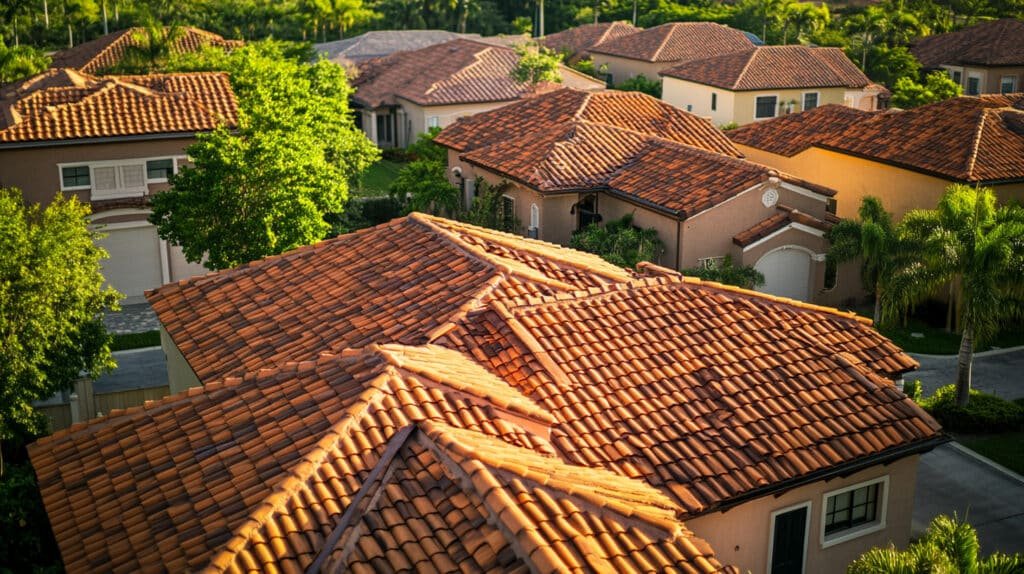




Reliable Roof Leak Repair Services by Dream Team Roofing
Roof leaks create immediate risk to a home’s structure, indoor air quality, and long-term value, so Sunrise, FL homeowners need targeted, fast, and reliable roof leak repair guidance. This guide explains how local roof leak repair experts in Sunrise diagnose leaks, stabilize damage quickly, and deliver permanent repairs that meet Florida building codes and hurricane-prone climate demands. You will learn what services are available — from emergency tarping and thermal imaging to material-specific repairs for shingle, tile, metal, and flat roofs — plus pricing ranges, insurance and permit considerations, and prevention strategies tailored to South Florida. The article walks through the repair lifecycle (inspection → plan → repair → follow-up), clarifies typical costs by roof type, and lays out seasonal maintenance tasks that save money over time. Throughout, the focus is practical: immediate homeowner actions, what to expect from professionals, and how advanced detection and documentation help with claims. Keywords such as roof leak repair, emergency roof leak repair Sunrise, and roof leak detection Sunrise are woven into technical explanations and actionable checklists to help you act quickly and wisely.
Why Choose Local Roof Leak Repair Experts in Sunrise, FL?
Local roof leak repair experts in Sunrise specialize in roofing services that account for Florida’s unique climate, permit environment, and storm exposure, enabling faster, code-compliant, and more durable repairs. Local contractors understand the Florida Building Code nuances and Broward County permit processes, which reduces delays and prevents rework caused by noncompliant fixes. Choosing local expertise also shortens emergency response time for tarping or water mitigation after storms, which limits interior damage and mold growth. Working with a nearby provider typically improves warranty support and follow-up inspection scheduling, because technicians are available for faster post-repair checks and seasonal maintenance visits.
Local benefits include climate-aware material choices, faster emergency access, and streamlined permit handling:
- Climate-Aware Materials: Contractors select materials rated for UV exposure and high humidity to extend roof life.
- Rapid Emergency Response: Local teams can tarp and mitigate water intrusion quickly after heavy rain or hurricane-force winds.
- Permit and Code Knowledge: Familiarity with Sunrise/Broward County processes reduces administrative delays and ensures compliant repairs.
These advantages translate into lower indirect costs and fewer claim disputes, and understanding them leads directly to which services are most useful after a leak occurs.
What Unique Roofing Challenges Does Sunrise, FL Present?
Sunrise faces a combination of intense sun, high humidity, salt air (in some zones), heavy seasonal rain and hurricane risk, which accelerate degradation of roof materials and create specific failure patterns. UV exposure causes accelerated asphalt shingle granule loss and sealant breakdown, while repeated wet-dry cycles and humidity encourage underlayment rot and flashing corrosion. Wind uplift during tropical storms commonly dislodges shingles or tiles and damages vent boots and ridge caps, producing hidden entry points for water. These mechanisms lead to typical problem areas such as flashing around chimneys and skylights, roof valleys, and compromised sealants at penetrations, which are often the origin points for persistent leaks.
Homeowners observing repeated small leaks or localized stains should suspect flashing or underlayment failure rather than surface damage alone, and this diagnostic focus naturally leads to advanced inspection methods discussed next.
How Do Experienced Contractors Ensure Quality and Compliance?
Experienced contractors ensure quality by following manufacturer-approved installation practices, obtaining required permits, and documenting work for warranty and insurance purposes, which reduces the risk of future leaks. They prioritize certified materials rated for Florida conditions and use installation methods that resist wind uplift and ponding water, such as mechanically fastened tiles or reinforced membrane seams on flat roofs. Quality control includes photographic documentation, dry- and wet-weather post-repair checks, and offering workmanship warranties that complement manufacturer guarantees. Contractors also coordinate permit acquisition and inspections with local authorities to confirm code compliance and to prevent costly corrections later.
This emphasis on compliance and documentation flows into the specific services available locally, from rapid emergency tarping to high-tech leak detection and material-specific repairs described in the next section.
What Comprehensive Roof Leak Repair Services Are Available in Sunrise, FL?
Sunrise homeowners can access a full range of roofing services focused on leak diagnosis, emergency mitigation, targeted repairs, and storm-damage restoration, with specialized options for different roof materials and complex insurance coordination. Providers often offer 24/7 emergency roof leak repair for immediate tarping and water extraction, advanced leak detection using thermal imaging and drone surveys to find hidden moisture, targeted patching or flashing replacement for localized leaks, and full-system replacements when damage is extensive. Each service is chosen based on inspection findings and long-term durability needs, and many contractors provide documentation and claims assistance to support insurance workflows.
Common service categories and when they’re used are summarized in the table below to help homeowners choose appropriate interventions.
Intro to service comparison table: This table clarifies typical roof leak repair services, when they’re used, and what each includes to help homeowners decide quickly after an inspection.
| Service | When Used | What It Includes |
|---|---|---|
| Emergency Tarping & Triage | Active leak during storm or immediate water intrusion | Temporary waterproof tarping, water extraction, safety checks |
| Advanced Leak Detection | Suspected hidden leaks or inconsistent interior staining | Thermal imaging, moisture meters, drone roof survey, bulkhead endoscopy |
| Localized Repair/Patching | Small- to medium-scale flashing or membrane failures | Flashing replacement, shingle/tile reset, membrane patching |
| Full Replacement/Remediation | Extensive storm damage, advanced underlayment rot | Tear-off, new underlayment, certified installation, final inspection |
This comparison helps homeowners match observed damage to the right response, and it sets expectations for the repair pathway and documentation needed for claims.
How Does Emergency Roof Leak Repair Work in Sunrise?
Emergency roof leak repair in Sunrise begins with a rapid safety assessment, temporary stabilization, and immediate interior protection to limit structural and mold damage, then transitions to permanent repair planning. First responders inspect for active water entry points, secure electrical hazards, deploy temporary tarping or sheeting to stop ongoing intrusion, and remove pooled water from interior spaces if needed. Contractors document the scene with photos and notes for insurance purposes and schedule a follow-up full assessment to determine whether localized repairs or full replacement is necessary. Immediate homeowner actions — moving valuables, catching drips with containers, and limiting attic access — reduce interior loss while professionals stabilize the roof.
A short homeowner emergency checklist provides clear first steps to preserve safety and claims evidence:
- Turn off electrical power in affected areas if safe.
- Contain leaks with buckets and move furniture away from wet zones.
- Take time-stamped photos and note the weather/time of onset.
These triage actions protect property and support the later permanent repair and claims process.
What Advanced Leak Detection Technologies Are Used?
Advanced leak detection blends thermal imaging, moisture meters, drone surveys, and endoscopic camera inspections to pinpoint hidden water intrusion with minimal roof disturbance and higher diagnostic confidence. Thermal imaging detects temperature differentials caused by moisture retention beneath roofing layers, while moisture meters quantify moisture content in sheathing and insulation. Drone inspections provide high-resolution aerial imagery for large or unsafe roofs and identify loose components or storm damage. Endoscopic tools allow technicians to inspect cavities and flashing junctions through small access points to confirm the leak path without full tear-offs.
These technologies reduce unnecessary replacement work by isolating the leak source, and their increased accuracy expedites insurance documentation and cost-effective repair planning.
Passive Roof Leak Detection Systems for Membrane Roofs
The cost resulting from water damage to the roofing system, structure, and building contents that can occur between the time a leak begins and is located and repaired can be very high. A passive roof leak detection system PRLDS could help Army managers by providing early leak detection and could potentially reduce the Armys roofing maintenance budget. This study determined that a PRLDS contains four components sensors, signal, transmission medium, and signal processing unit. The sensors can be resistive, capacitive, circuit-bridging, or fiber optics. Sensor placement and spacing on a roof determine the systems resolution and should he based on the system cost and the interior use of the structure. A discussion of the reliability, compatibility, durability, and maintainability of components is included. This study also determined that several moisture-sensing technologies are feasible, including a water-activated batterytransmitter, a variety of probes, moisture detection tape, and coated wires. Because little documented experience with these new technologies exists, it is recommended that field investigations be conducted and design specifications be developed. Leak detection, Cost effectiveness, Passive Roof Leak Detection System PRLDS, Membrane roofing.
Survey of passive leak detection technologies for membrane roofing, 1994
How Are Different Roof Types Repaired?
Material-specific repair approaches address the typical failure mechanisms of each roof type: shingles often need targeted shingle replacement, flashing resealing, or underlayment repair; tile roofs require tile replacement, underlayment checks, and mortar/clip repairs; metal roofs need seam restoration, fastener replacement, or panel realignment; flat roofs demand membrane patching, seam welding, and ponding mitigation. Repair technique selection depends on penetration location, underlayment condition, and whether structural decking is compromised. For example, small asphalt shingle leaks often resolve with shingle and flashing repair, while recurrent tile leaks suggest underlayment replacement beneath the tiles.
Understanding material-specific fixes reduces the chance of recurring leaks and points to longer-term improvements such as upgraded underlayments or cool-roof options that increase longevity under Florida’s climate.
How Do Experts Handle Storm Damage Roof Repairs?
After storm events, experts prioritize safety and stabilization, then perform a detailed damage inventory to separate temporary measures from permanent repairs and to document losses for insurance claims. The workflow typically includes emergency tarping, an itemized damage assessment with photographs and measurements, temporary fixes to prevent progressive damage, and a costed repair or replacement plan that aligns with code and manufacturer requirements. Contractors experienced with hurricane-impacted homes help assemble documentation packets and can liaise with insurers to clarify scope items such as wind uplift mitigation or code-upgrade requirements mandated during permitted repairs. Clear, time-stamped documentation expedites claim review and reduces denials.
This structured approach ensures that immediate risk is controlled while setting up an efficient pathway to full remediation and claims settlement.
What Is the Roof Leak Repair Process in Sunrise, FL?
The roof leak repair process in Sunrise follows a four-phase cycle: inspection and diagnosis, transparent repair planning and estimate, targeted repair or replacement with certified materials, and post-repair verification with warranties and maintenance advice. Inspections combine attic/interior checks with exterior imaging and moisture scanning, producing a documented diagnostic report that drives the repair scope. The repair plan breaks down labor, materials, permits, and timelines in a line-item estimate so homeowners understand cost drivers and optional upgrades. After work is completed, contractors perform final inspections, provide warranty documentation, and recommend a maintenance cadence to preserve performance under Florida’s weather stresses.
Below is a numbered, featured-snippet style summary of the process to make next steps clear.
- Inspection: Interior and exterior assessment with moisture readings and imaging.
- Plan & Estimate: Itemized scope, materials, labor, and permit needs presented clearly.
- Repair/Replace: Certified installation, code-compliant work, and storm-hardening when needed.
- Follow-up: Post-repair inspection, warranty paperwork, and maintenance schedule.
This systematic process reduces surprises and helps homeowners and insurers align expectations before work begins.
How Is the Initial Roof Inspection and Damage Assessment Conducted?
Initial inspections combine visual exterior checks, attic and interior assessments, moisture-meter readings, and photographic documentation to establish the leak source and damage extent with a prioritized repair plan. Inspectors look for common indicators such as wet insulation, ceiling stains, compromised flashing, roof penetrations, and signs of uplifted or missing materials. Tools like thermal cameras and moisture probes identify hidden wet areas behind finishes, while drones supply bird’s-eye views for large or steep roofs. The inspector compiles a report with photos, a recommended scope, and a timeline to help the homeowner and insurer understand next steps and urgency.
Clear documentation at this stage supports accurate estimates and simplifies insurance conversations, leading directly into the transparent pricing process described next.
What Does a Transparent Repair Plan and Pricing Look Like?
A transparent repair plan itemizes scope lines for labor, materials, permit fees, and optional upgrades, showing which items are necessary for a durable repair versus cosmetic or enhancement choices. Estimates include explanations for each line item — for example, flashing replacement vs. shingle-only repair — and list potential variables such as decking replacement if rot is found. Contractors may offer financing options or phased repairs for budget flexibility, and they explain how emergency service or expedited scheduling affects price. This clarity lets homeowners compare bids based on scope equivalence rather than headline cost alone.
A transparent estimate reduces disputes during claims and clarifies whether insurer approvals will be needed for specific code-upgrade items or storm-hardening work.
How Is Quality Workmanship and Material Selection Ensured?
Quality is enforced through manufacturer-approved materials and certified installation techniques that match the roof type and local climate requirements, ensuring that warranties remain valid and performance is optimized. Contractors select components with UV and moisture resistance appropriate for Florida, use fastening patterns and underlayment systems rated for wind uplift, and follow manufacturer installation checklists. On-site quality checks, periodic supervisor reviews during the job, and final verification capture workmanship metrics before sign-off. Written workmanship warranties complement material warranties, giving homeowners recourse if installation defects emerge.
Documented quality controls and certified products increase long-term reliability and reduce the likelihood of repeat leaks.
What Post-Repair Inspections and Warranties Are Offered?
Post-repair, reputable contractors perform a formal inspection with photographic documentation and provide warranty paperwork that distinguishes between workmanship coverage and manufacturer material warranties. Workmanship warranties typically cover installation defects for a defined period, while manufacturer warranties cover material failures per the producer’s terms; contractors clarify differences and transfer processes. Recommended follow-up inspections commonly occur at 6–12 months and then annually, especially after hurricane season, to verify seals, flashing integrity, and drainage performance. This proactive verification helps detect early issues and preserves warranty validity.
Clear scheduling of post-repair checks and written warranties gives homeowners confidence that repairs were completed to an enforceable standard.
How Much Does Roof Leak Repair Cost in Sunrise, FL?
Roof leak repair costs in Sunrise vary by roof type, access, extent of damage, and whether emergency response or permit-driven code upgrades are required; typical localized repairs often fall in a modest range while full replacements are substantially higher. Direct cost drivers include roof material, severity of underlayment or decking damage, pitch and height (which affect labor), and the need for emergency or after-hours service. Storm-related repairs may also require documented inventories for insurance claims, and permit-related code upgrades can add cost but increase long-term resilience. For quick reference, the table below compares common roof types by typical repair complexity and a conservative estimated cost range for localized leak repairs in Sunrise.
Intro to cost comparison table: The table helps homeowners anticipate relative repair complexity and expected localized repair cost ranges by roof type.
| Roof Type | Typical Repair Complexity | Estimated Localized Repair Cost Range |
|---|---|---|
| Asphalt Shingle | Moderate (flashing, shingles) | $300 – $1,500 |
| Tile (clay/concrete) | Higher (tile reset, underlayment) | $500 – $2,000 |
| Metal Roof | Moderate (seal seams, fasteners) | $400 – $1,800 |
| Flat/Membrane | Higher (membrane patching, drainage) | $600 – $2,500 |
This comparison underscores that tile and flat roofs often require more labor-intensive work and underlayment attention, which elevates cost.
What Factors Influence Roof Leak Repair Pricing?
Price drivers include the extent of structural and water damage, roof pitch and height, materials required, accessibility and scaffolding needs, permit costs, and whether emergency or after-hours services are necessary. For instance, replacing damaged deck sheathing or extensive underlayment rot raises both material and labor costs significantly compared with a flashing-only repair. Similarly, steep or multi-level roofs require additional safety measures and labor time, increasing charges. Insurance-covered claims may reduce out-of-pocket expense but often require robust documentation and pre-approval for certain upgrade items.
Understanding these variables helps homeowners interpret estimates and prioritize repairs that balance cost and long-term durability.
How Can Homeowners Get a Free, No-Obligation Estimate?
Homeowners can prepare for an accurate free estimate by compiling photos of interior damage, noting leak onset and weather conditions, documenting attic observations (if safe to access), and listing roof age and known repairs; providing this information speeds virtual or in-person assessments. Virtual inspections using photos or drone captures can identify obvious issues quickly, but on-site inspections using moisture meters and attic checks yield the most reliable scope and pricing. Ask contractors to provide an itemized, signed estimate with a clear scope, timeline, permit responsibilities, and warranty descriptions to compare bids effectively.
Being prepared with documentation and specific questions reduces ambiguity and supports a faster path from estimate to repair.
How Can Sunrise Homeowners Prevent Future Roof Leaks?
Preventative maintenance tailored to Florida’s climate focuses on frequent inspections, proactive sealant and flashing care, regular gutter and drainage maintenance, and scheduling seasonal checks before and after hurricane season to catch early wear before it becomes costly. Routine tasks like clearing gutters, trimming overhanging vegetation, inspecting and resealing penetrations around vents and skylights, and ensuring attic ventilation and insulation reduce moisture buildup that fosters rot and hidden leaks. Enrollment in a proactive maintenance plan with periodic certified inspections documents condition and repairs, which both extends roof life and strengthens insurance records. Preventative actions yield lower lifetime roofing costs compared with recurring reactive repairs.
The maintenance tasks, recommended frequency, and estimated cost/savings are summarized in the table below to illustrate ROI from scheduled maintenance.
| Maintenance Task | Recommended Frequency | Estimated Cost / Savings Impact |
|---|---|---|
| Gutter Cleaning & Debris Removal | Twice yearly / after storms | $75–$200 per service; prevents water damage |
| Flashing & Sealant Inspection | Annually | $150–$400; avoids costly interior repairs |
| Attic Ventilation & Insulation Check | Annually | $100–$300; reduces moisture-related rot |
| Professional Roof Inspection (pre/post hurricane) | Twice yearly | $150–$350; documents condition for claims |
Consistent maintenance reduces the probability of large-scale repairs and supports faster insurance processing after storms due to documented condition history.
What Are Effective Preventative Roof Maintenance Tips for Florida Homes?
Key preventative tasks focus on keeping drainage clear, inspecting and resealing penetrations, maintaining attic ventilation, and scheduling professional inspections before and after storm seasons to identify vulnerabilities early. Cleaning gutters and downspouts prevents overflow and water backing under eaves, while inspecting flashing around chimneys, skylights, and vents reduces penetration failures. Checking attic insulation and ventilation curbs moisture accumulation that accelerates underlayment decay. Homeowners should combine DIY checks with periodic professional inspections to catch issues that need contractor tools and expertise.
These preventative measures reduce both immediate leak risk and long-term deterioration, making them an efficient investment compared with reactive repairs.
How Do Proactive Maintenance Plans Save Money and Extend Roof Life?
Proactive maintenance plans bundle scheduled inspections, minor repairs, and documented service records that reduce the frequency and severity of major repairs while creating a documented maintenance history useful for insurance claims. Regular minor interventions such as resealing flashings, replacing a few compromised shingles, or addressing small membrane blisters prevent more extensive underlayment and decking damage that drives high replacement costs. Documented maintenance can also speed insurer approvals and reduce disputes over preexisting damage versus new storm damage. Over a roof life cycle, these plans often offset their cost through avoided emergency repairs and extended service life.
This financial logic explains why many homeowners choose documented annual maintenance in hurricane-prone regions like Sunrise.
What Are Common Questions About Roof Leak Repair in Sunrise, FL?
Homeowners often ask about leak signs, insurance coverage for emergency repairs, and recommended inspection frequency; concise answers help with quick decisions and next steps. Clear guidance reduces panic during leaks and sets realistic expectations about coverage and contractor roles. The short Q&A pairs below target common PAA queries and provide immediate, action-oriented answers for Sunrise residents.
Common PAA-style Q&A with brief answers:
- What Are the Most Common Signs of a Roof Leak in Sunrise? Ceiling or wall stains, peeling paint, mold growth, sagging or wet insulation, and active drips are primary indicators of roof leaks and should prompt inspection.
- Is Emergency Roof Repair Covered by Insurance in Florida? Emergency measures such as tarping and immediate mitigation are often covered to prevent further damage, but permanent repair coverage depends on policy terms and the damage cause; photographic documentation and written estimates help support claims.
- How Often Should Roof Inspections Be Scheduled in Florida’s Climate? Annual inspections plus post-storm assessments are recommended; schedule checks before and after hurricane season to catch seasonal wear and storm impacts.
What Are the Most Common Signs of a Roof Leak in Sunrise?
Common signs include interior water stains, bubbling or peeling ceiling paint, musty odors and mold growth in interiors or attics, visible drips, and damp or compressed insulation in attics; exterior clues include missing or damaged shingles or tiles and degraded flashing. Early detection often hinges on attic checks after storms; signs in the attic frequently precede visible ceiling damage. Recording the timing and pattern of stains and any recent storm history helps direct diagnostic tools like thermal imaging to likely entry points.
Identifying these signs promptly leads to timely inspections and reduces secondary damage such as mold remediation costs.
Is Emergency Roof Repair Covered by Insurance in Florida?
Emergency measures like tarping and immediate mitigation are commonly covered by homeowners insurance to prevent additional interior damage, but coverage for permanent repairs depends on the policy, the damage cause (wind, storm, wear), and whether preexisting conditions are documented. Insurers generally require photograph and report documentation, so time-stamped photos, contractor notes, and itemized emergency invoices are essential. Contractors that offer claims-assistance can help assemble packets that clarify scope, expedite approvals, and match repair scope to insurer expectations.
Providing thorough documentation during an emergency both protects homeowners and reduces friction with claim adjudication.
How Often Should Roof Inspections Be Scheduled in Florida’s Climate?
For Sunrise, a practical schedule is an annual professional inspection plus additional checks immediately after hurricanes or severe storms, and a small mid-season check to ensure drainage and sealant health during humid months. Annual inspections address gradual UV and moisture degradation, while post-storm inspections identify wind or impact damage that can cause hidden leaks. Timely inspections after storms preserve warranty conditions and create a documented maintenance record helpful for future claims.
Regular inspection cadence both limits surprise repairs and supports better long-term budgeting for roof lifecycle needs.