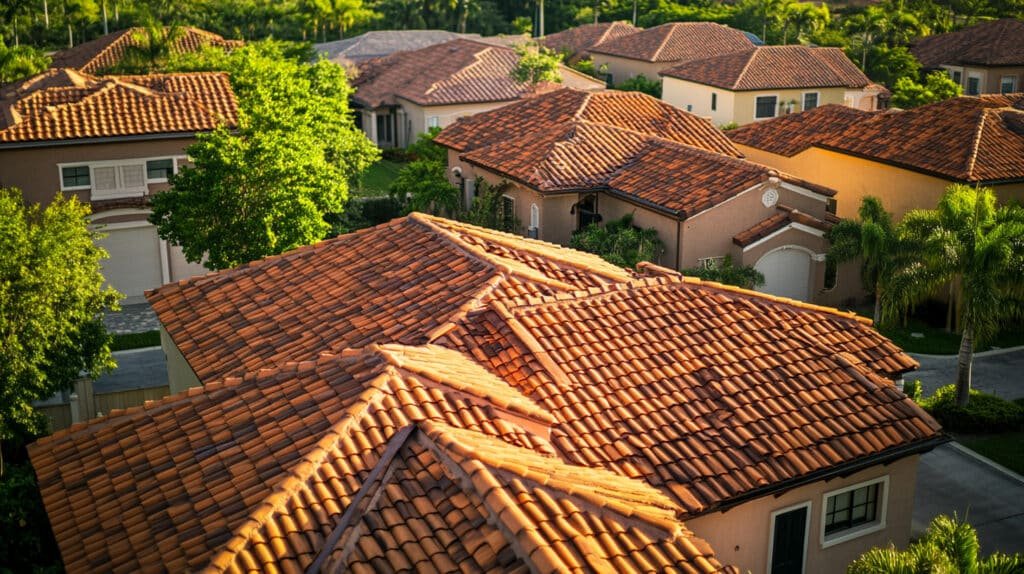




Roof Insurance Claims and Emergency Repairs with Dream Team Roofing
Emergency roof damage in Boca Raton demands swift action, clear understanding of coverage, and confident navigation of the insurance claim process. With hurricane-driven windstorms, hail impacts, and sudden water intrusion, policyholders face critical decisions that affect repair timelines and out-of-pocket expenses. This guide explains how Florida homeowners insurance applies to urgent roof repairs, breaks down Actual Cash Value (ACV) versus Replacement Cost Value (RCV), outlines exclusions under local statutes, and maps out step-by-step claim procedures. You’ll learn when to engage a public adjuster, how common roof damage types influence settlements, average repair costs, and proactive strategies to prevent coverage disputes. By weaving definitions, mechanisms, and real-world examples into each section, this resource equips Boca Raton homeowners with authoritative insights to secure proper compensation and restore roof integrity efficiently.
Does Homeowners Insurance Cover Emergency Roof Repairs in Boca Raton?
Yes, Florida homeowners insurance typically covers emergency roof repairs when damage results from covered perils such as windstorms, hail, fire, or falling objects. Coverage begins with a rapid damage assessment and temporary tarping to prevent further loss. Policies often include provisions for emergency measures, allowing immediate repairs to safeguard the dwelling. Policyholders must submit timely documentation to activate these benefits, ensuring rapid lien on peril-caused loss and minimizing structural deterioration.
Insurance policies in Florida distinguish between dwelling coverage for structural repair and additional living expense provisions if a damaged roof renders the home uninhabitable. While immediate tarping and boarding services are generally covered under “additional coverage” clauses, full roof replacement costs depend on deductible thresholds and policy limits. Understanding these distinctions ensures that emergency repairs are reimbursed under the correct claim category, streamlining the path to a full settlement.
Bridging these concepts, the next sections explore specific roof damage types covered under Florida homeowners insurance, delve into the nuances of ACV versus RCV payouts, and identify common exclusions that Boca Raton residents must watch for.
What Types of Roof Damage Are Covered by Florida Homeowners Insurance?
Homeowners insurance in Florida covers roof damage resulting from named perils. These include:
- Windstorm damage caused by sustained hurricane-force winds or tornado events that displace shingles or tiles.
- Hail impacts that fracture roofing materials and create entry points for water intrusion.
- Fire or lightning strikes that scorch roofing assemblies or ignite structural members.
- Falling objects, such as tree limbs or debris propelled by storms, that puncture the roof deck.
- Vandalism and accidental vehicular impact on outbuildings or attached garages.
Each covered peril triggers an insurance obligation to repair or replace the damaged portion of the roof up to policy limits. Exclusions typically apply to wear-and-tear, maintenance neglect, and damage from pests. Establishing the damage cause through photographic evidence and professional inspection reports strengthens the claim and prevents denials related to ambiguous perils.
How Do Actual Cash Value (ACV) and Replacement Cost Value (RCV) Affect Your Roof Claim?
Actual Cash Value (ACV) calculates depreciation by subtracting the roof’s age-based value loss from replacement cost, resulting in a lower payout for older roofs. Replacement Cost Value (RCV) covers the full cost to install new roofing materials without deduction for depreciation, provided the roof meets policy age requirements—often under 15 years in Florida. For example, a 12-year-old tile roof with a $12,000 replacement estimate may yield an ACV payout of $7,000 after accounting for 40 percent depreciation, whereas RCV policyholders receive the full $12,000 initially, with depreciation reimbursement issued after completion.
Choosing the right policy type influences out-of-pocket expenses: ACV claims require homeowners to cover depreciation gaps, while RCV coverage alleviates upfront cash burdens. Understanding these mechanisms ensures accurate budgeting when filing a claim under emergency repair scenarios.
What Are Common Policy Exclusions for Roof Damage in Boca Raton?
Florida homeowners insurance policies often exclude damage from:
- Wear and tear: Roofing materials past their expected service life receive no coverage for gradual deterioration.
- Lack of maintenance: Leaks or material breakdown due to deferred upkeep are deemed homeowner responsibility.
- Flooding: Separate flood insurance covers water intrusion from rising water levels during storms.
- Pre-existing conditions: Roof issues identified during a home inspection before policy inception are excluded.
- Mold and fungus: Secondary damages from moisture infiltration, like mold growth, may require separate endorsements.
These exclusions emphasize the importance of routine roof inspections, proper maintenance, and timely upgrades. Addressing minor defects prevents claim denials and preserves full coverage for emergency events like hurricanes.
How Do Florida Insurance Laws Impact Roof Repair Coverage?
Florida’s insurance statutes mandate clear definitions of covered perils, enforce strict timelines for claims initiation, and cap certain fees to curb litigation. Recent reforms (2022–2024) introduced appraisal process adjustments and assignment-of-benefits restrictions to reduce fraudulent roofing claims. The Florida Office of Insurance Regulation requires insurers to offer roofing upgrades with impact-resistant materials, often at discounted premiums. Homeowners must adhere to a three-year statute of limitations for repair claims, with supplemental claims permitted within 90 days of initial settlement for newly discovered damage. These local legislative safeguards streamline emergency roof repair coverage while protecting against unwarranted rate hikes due to legal abuse.
How to File a Roof Insurance Claim for Emergency Repairs in Boca Raton?
Filing a claim for emergency roof repairs begins with swift safety measures and thorough documentation, ensuring an efficient path to compensation. Initiate this process by notifying your insurer, compiling evidence, and securing temporary repairs to prevent secondary damage, which aligns directly with policy requirements and expedites adjuster evaluations.
Prompt notification triggers the insurer’s obligation to assign an adjuster and schedule an inspection. Homeowners should submit a proof of loss statement within 60 days, adhering to policy timelines and strengthening entitlement to covered emergency repairs. Organized documentation mitigates delays and positions policyholders for favorable outcomes in the settlement phase.
Advanced coordination with local roofing contractors provides multiple estimates that support the claim’s reasonableness. Strategic preparation at each step reduces disputes and forms a cohesive narrative for insurance adjusters and potential public adjusters. The following subsections break down each phase in detail.
What Immediate Actions Should You Take After Roof Damage?
Secure the property by installing temporary tarping or boarding to prevent water intrusion and structural weakening. Photograph all damage zones from various angles—interior leaks, shingle displacement, and soffit damage—while noting timestamps. Engage a licensed roofing contractor to perform emergency tarping and issue a preliminary damage report. These actions fulfill policy “duty to mitigate” requirements and demonstrate proactive loss prevention, which insurers view as a sign of homeowner responsibility and reliability.
How to Notify Your Insurance Company and Submit a Claim?
Contact your insurer’s emergency hotline within 24 hours of discovering roof damage and request a claim number. Provide a concise summary of the incident date, location, and observed damage. Follow up in writing via certified mail or email with a Proof of Loss form, attaching all photographs, contractor reports, and repair receipts. This documented chain of communication ensures compliance with Florida’s prompt notice statutes and sets clear expectations for adjuster response times.
What Documentation Is Needed for a Successful Roof Claim?
A comprehensive claim file includes:
- Date-stamped photographs and videos of affected areas.
- Licensed contractor’s emergency tarping invoice.
- Detailed repair estimates from at least two Boca Raton roofing companies.
- A Proof of Loss statement outlining the scope of damage.
- Policy declarations page highlighting deductibles and coverage limits.
Maintaining organized records aligns with insurer requirements and accelerates adjuster review, reducing opportunities for claim delays or underpayment.
How Do Insurance Adjusters Evaluate Emergency Roof Damage?
Adjusters assess the cause, extent, and estimated repair cost of roof damage by comparing on-site observations with policy provisions. They inspect hail dents, wind-driven shingle displacement, water stains on ceilings, and flashing integrity. Adjusters also verify contractor estimates against regional cost data to determine reasonable market rates. Demonstrating alignment between documented evidence and adjuster findings strengthens the claim, paving the way for full emergency repair reimbursement.
When Should You Get Estimates from Local Boca Raton Roofing Contractors?
Obtain at least two written estimates immediately after damage discovery to illustrate repair necessity and cost fairness. Multiple bids show insurers that quotes reflect local market rates and material availability. Acting quickly also prevents price inflation caused by prolonged supply chain delays, ensuring emergency roof repairs are conducted at competitive rates and align with policy audit standards.
When and Why Should You Hire a Public Adjuster for Your Boca Raton Roof Insurance Claim?
Engaging a public adjuster makes sense when claims become complex, underpaid, or denied. Public adjusters advocate for policyholders by appraising damage through independent expertise and negotiating settlements that reflect true repair costs. Their involvement boosts claim accuracy, reduces out-of-pocket gaps, and safeguards homeowners against insurer lowball offers.
Public adjusters serve as liaison between policyholders and carriers, translating policy language into actionable repair scopes. This advocacy ensures that all covered perils are accounted for and that depreciation and deductibles are handled correctly. The next subsections explore scenarios warranting a public adjuster, fee structures, and how to vet local professionals for trusted representation.
What Situations Warrant Hiring a Public Adjuster?
Homeowners should consider public adjusters when:
- Claims are partially denied due to disputed causation.
- Settlement offers fall below local repair cost averages.
- Policies involve complex endorsements or high policy limits.
- Insurer requests extensive documentation beyond standard requirements.
- Legal deadlines for appeals or supplementary claims approach.
Deploying adjuster expertise in these scenarios maximizes settlement potential and ensures full coverage of emergency roof repairs.
How Does a Public Adjuster Help Maximize Your Roof Claim Settlement?
Public adjusters conduct independent damage appraisals, prepare detailed damage inventories, and leverage contractual policy provisions to justify full replacement costs under RCV terms. They negotiate depreciation recoveries and expedite supplemental claims for overlooked damage uncovered during repairs. Their advocacy often yields settlements 20–30 percent above initial insurer offers, offsetting their fee and underlining the value of professional representation.
What Are the Typical Fees and Costs for Public Adjusters in Boca Raton?
Public adjusters in Boca Raton generally charge a contingency fee ranging from 5 percent to 15 percent of the final settlement. Fee percentages correlate with claim complexity and dispute levels. Even at higher rates, the increase in settlement value frequently exceeds the fee, resulting in net gains for homeowners. Transparent fee agreements and state-regulated contracts ensure clarity on payment triggers and disbursement procedures.
How to Find a Trusted Public Adjuster in Boca Raton?
Select adjusters with Florida Department of Financial Services licensure, positive local reviews, and verifiable track records in roof damage claims. Seek referrals from neighborhood associations, roofing contractors, or trusted real-estate professionals. Verifying membership in the Florida Association of Public Insurance Adjusters provides an added layer of credibility, ensuring adherence to industry ethics and continuing education standards.
What Are the Most Common Types of Roof Damage in Boca Raton and Their Insurance Implications?
Roof damage in Boca Raton arises primarily from hurricanes, hailstorms, water intrusion, and age-related wear. Each damage category carries unique claim considerations: wind-driven shingle loss triggers windstorm coverage; hail dents qualify under named-storm perils; water stains indicate potential leak exclusions if maintenance gaps exist. Aging roofs face steeper depreciation and may only receive ACV payouts when beyond policy age thresholds.
Identifying damage types accurately ensures policy alignment and expedites appropriate claim categories. The following subsections detail storm-specific impacts, hail and water damage nuances, age influences on coverage, and uncovered maintenance issues.
How Does Hurricane and Wind Damage Affect Roof Insurance Claims?
Hurricane and wind damage often lead to widespread shingle displacement, underlayment tears, and broken flashing. Insurance adjusters categorize these losses under windstorm perils, applying hurricane deductibles—often a percentage of dwelling limit—that can range from 1 percent to 5 percent of insured value. Storm surge water damage, however, requires flood coverage. Accurate wind-driven damage documentation prevents misclassification and ensures correct deductible applications.
What Is the Impact of Hail and Water Damage on Roof Repairs?
Hail impacts create surface fractures and granule loss on shingle systems, exposing underlying layers to UV degradation and moisture intrusion. Water damage from poor flashing or gutter backups may be excluded if traced to maintenance neglect. Combining hail and water damage in a single claim strengthens coverage for hail-caused breach and subsequent water intrusion, provided homeowners fulfilled routine upkeep obligations.
How Does Roof Age Influence Insurance Coverage and Claim Approval?
Roofs under 15 years typically qualify for full RCV coverage, while those between 15 and 20 years face steeper depreciation schedules. Roofs over 20 years often receive only ACV payouts or require replacement before coverage reinstatement. Insurers may mandate roof certifications or recent inspection reports to validate age claims and coverage eligibility, making timely roof maintenance and documentation essential.
What Are Typical Signs of Roof Wear and Tear Not Covered by Insurance?
Common maintenance-related wear includes algae staining, curling shingles, granule erosion, and minor flashing cracks. While these defects compromise roof aesthetics and performance, insurers classify them as pre-existing or maintenance issues. Addressing these signs proactively prevents coverage disputes and supports full benefits for emergency storm damage events.
What Are the Average Costs of Emergency Roof Repairs in Boca Raton and How Does Insurance Help?
Emergency roof repair costs in Boca Raton vary by damage severity and material type. Minor shingle repairs average $350 to $650, while extensive tile or metal roof repairs can exceed $1,500 per incident. Insurance payouts offset these expenses, with ACV claims reducing coverage by depreciation and RCV policies covering full replacement costs, subject to deductibles. Understanding typical price ranges and payout structures empowers homeowners to plan budgets and negotiate effectively with contractors and insurers.
Cost transparency aligns repair scopes with policy provisions, ensuring out-of-pocket responsibilities are minimized and properly documented for reimbursement. The following subsections explore cost breakdowns, payout impacts, material influences, and benefits of upgraded roofing solutions.
What Is the Typical Price Range for Minor and Major Roof Repairs?
Minor patch and seal jobs, such as replacing a few shingles or sealing small leaks, cost between $350 and $650. Moderate repairs involving multiple shingles, flashing replacement, and minor decking fixes range from $800 to $1,200. Major repairs—full section replacement, structural reinforcement, or tile restoration—often exceed $1,500 and can approach $3,000 for complex assemblies. These figures align with regional average repair costs of $1,198 to $1,387 as of July 2025, reflecting local labor and material price trends.
How Do Insurance Payouts Affect Out-of-Pocket Expenses?
RCV policies reimburse full replacement costs minus deductibles, reducing homeowner expenses to the deductible amount only. ACV policies issue depreciation-adjusted payouts, requiring homeowners to cover the value gap between ACV and total replacement estimates. Understanding this mechanism helps budget for deductible payments and any depreciation shortfall, ensuring accurate financial planning for emergency repairs.
How Do Roofing Materials Influence Repair Costs and Insurance Coverage?
Roofing material type drives repair complexity and cost: asphalt shingles offer affordable repairs, tile systems require specialized labor and matching tile inventory, and metal roofing demands corrosion-resistant panels with custom fabrication. Insurance valuations reflect these material differences, with premiums and payouts calibrated to average replacement expenses for each roofing category. Opting for materials with higher market value can increase premiums but yield greater long-term durability and insurance backing.
What Are the Benefits of Energy-Efficient and Impact-Resistant Roofing in Boca Raton?
Energy-efficient roofing materials, such as reflective cool shingles or integrated solar tiles, lower cooling costs and may qualify for insurance premium credits. Impact-resistant systems—like Class 4 asphalt shingles or fortified metal panels—reduce hail and wind damage frequency, resulting in fewer claims and potential discounts. Investing in these options enhances property resilience, aligns with local building codes, and provides long-term savings through reduced repair frequency and insurance incentives.
How Can Boca Raton Homeowners Prepare Proactively to Avoid Emergency Roof Repair Insurance Issues?
Proactive roof maintenance and policy alignment prevent coverage disputes and reduce emergency repair costs. Regular inspections, documented maintenance logs, and code-compliant upgrades fulfill insurer requirements and establish proof of ongoing care. Understanding local building codes, hurricane-season deductible structures, and smart roofing technologies further strengthens coverage eligibility and claim success rates. The following subsections detail best practices for maintenance, code compliance, seasonal planning, and innovative solutions.
What Roof Maintenance Practices Help Ensure Insurance Coverage?
Conduct biannual roof inspections by licensed professionals to identify loose shingles, clogged gutters, and flashing deterioration. Document each inspection with dated photographs, repair invoices, and maintenance logs. Maintaining a record of timely repairs demonstrates homeowner responsibility and fulfills policy “duty to maintain” clauses, reducing the risk of claim denials for negligence.
How Do Local Building Codes Affect Roof Repairs and Insurance Claims?
Boca Raton’s building codes require specific tie-down systems, impact-resistant materials in designated zones, and hurricane straps for roof assemblies. Compliance with these codes influences insurer underwriting decisions and claim approvals. Installing code-required upgrades prior to storm season ensures that emergency repairs qualify for full coverage under local statutory provisions.
What Should You Know About Florida’s Hurricane Season and Roof Insurance Deductibles?
Florida’s hurricane season spans June 1 through November 30, with named-storm deductibles often set at 2 percent to 5 percent of dwelling coverage. Understanding deductible calculations—based on insured value rather than claim amount—enables homeowners to anticipate potential out-of-pocket costs. Adjusting dwelling limits or purchasing separate windstorm policies can optimize deductible exposure and budget planning for emergency repairs.
How Can Smart Roofing Technologies Improve Roof Durability and Insurance Outcomes?
Smart roofing integrates sensors that monitor moisture levels, temperature fluctuations, and structural shifts, providing real-time alerts for emerging issues. Early detection of leaks or material fatigue enables preventive repairs that maintain policy compliance and reduce emergency claim frequency. Insurers increasingly recognize these technologies through premium credits and expedited claim processing, reinforcing the value of proactive monitoring.
What Are the Common Challenges and Solutions When Dealing with Denied or Underpaid Roof Insurance Claims in Boca Raton?
Denied or underpaid claims often stem from ambiguous damage causation, lack of documentation, policy exclusions, or adjuster oversight. Overcoming these challenges requires a structured appeal process, expert evidence, and—when necessary—legal counsel. Recent Florida reforms have streamlined dispute resolution but also tightened appraisal requirements. Understanding common denial reasons and navigating appeals effectively restores entitlement to proper emergency repair coverage.
Strategic solutions include submitting supplemental claims for overlooked perils, leveraging public adjuster expertise, and citing legislative provisions that protect policyholder rights. The next subsections dissect denial causes, appeal steps, legal thresholds, and legislative impacts on claim disputes.
Why Are Roof Claims Often Denied or Underpaid in Florida?
Insurance companies may deny or underpay roof claims due to:
- Ambiguous damage cause, attributing losses to wear and tear.
- Incomplete documentation that fails to prove peril origin.
- Policy exclusions for unmaintained roofs or non-compliant materials.
- Agent misinterpretation of hail-versus-wind damage.
- Age-related depreciation beyond policy age thresholds.
Recognizing these factors helps policyholders prepare robust claim packages that pre-empt common denial triggers.
How Can You Appeal a Denied Roof Insurance Claim?
File a written appeal within 60 days of denial, including:
- A detailed statement of dispute clarifying peril causation.
- Independent damage reports from licensed engineers or roofing contractors.
- Supplemental photographs and video evidence of damage progression.
- References to specific policy provisions and Florida statutory requirements.
Presenting a clear, evidence-based appeal forces reconsideration and often leads to supplemental payments or claim reversal.
When Is Legal Counsel Recommended for Roof Insurance Disputes?
Engage an attorney when appeals stall, deadlines approach, or disputes exceed policy appraisal thresholds. Legal counsel advises on assignment-of-benefits contracts, enforces statutory deadlines, and represents homeowners in mediation or court. Early legal involvement can prevent missed deadlines and protect rights under recent Florida legislative reforms.
How Do Recent Florida Insurance Reforms Affect Claim Disputes?
2022–2024 reforms tightened appraisal guidelines, limited assignment-of-benefits abuses, and introduced pre-suit notice requirements. These changes shorten dispute timelines, require detailed pre-suit inspections, and cap certain attorney fee recoveries. Understanding these reforms helps homeowners navigate streamlined but stricter dispute resolution channels while securing fair emergency roof repair settlements.
Frequently Asked Questions About Insurance for Emergency Roof Repairs in Boca Raton
Does Homeowners Insurance Cover Emergency Roof Repair After a Hurricane in Boca Raton?
Homeowners insurance covers emergency tarping and temporary repairs after hurricane damage under windstorm perils, subject to hurricane deductibles. Full roof replacement claims proceed under named-storm coverage, with deductibles calculated as a percentage of dwelling limits.
How Long Do I Have to File a Roof Damage Claim in Boca Raton?
Florida policies generally require policyholders to report roof damage “as soon as practicable,” with a statutory three-year statute of limitations for filing suit and 90 days for supplemental claims after initial settlement.
What Is the Role of a Public Adjuster in Roof Insurance Claims?
A public adjuster advocates for the homeowner by independently appraising damage, preparing detailed inventories, negotiating depreciation recoveries, and ensuring settlement offers reflect full replacement cost under policy provisions.
Can I Get Emergency Roof Tarping Covered by Insurance in Boca Raton?
Yes, emergency tarping to prevent further water intrusion is typically covered under additional living expense or emergency services endorsements, provided documentation of incurred expenses is submitted promptly.
How Do I Choose the Right Roofing Contractor for Insurance Repairs in Boca Raton?
Select licensed, insured roofing contractors with proven experience handling insurance-supported repairs. Verify local certifications, request multiple estimates, and confirm familiarity with Florida building codes and hurricane mitigation requirements.