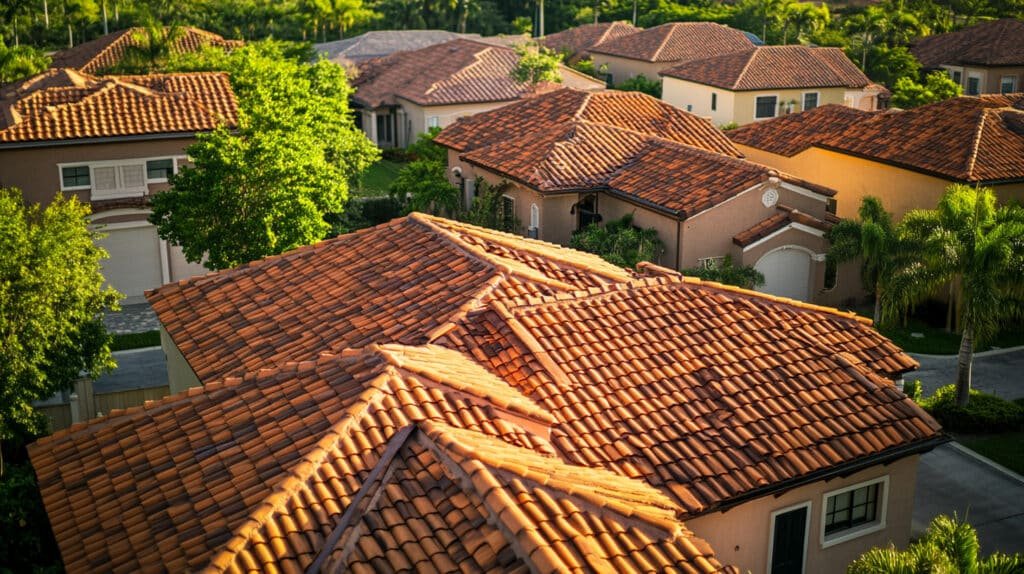




Emergency Roof Leak Repair Services by Dream Team Roofing
A roof leak is any breach in the roof assembly that allows water to enter a home, and in Sunrise, Florida, this risk is amplified by seasonal storms, heat, and high humidity. This article explains how homeowners can identify common leak causes, triage emergencies safely, and pursue effective repairs using modern detection and material-specific techniques. You will learn when a leak is an immediate danger, what temporary steps limit damage, how professionals diagnose leaks with tools like thermal imaging and drone surveys, and what maintenance schedules prevent future problems. Practical sections cover material-specific repair approaches for asphalt shingle, concrete tile, metal, and flat roofs, typical cost ranges and insurance-claim best practices, and an actionable preventative checklist tailored to Sunrise’s climate. Throughout the guide, we integrate local contractor capabilities where relevant—such as emergency response protocols and claims assistance—so you can act quickly and confidently when leaks occur. Read on for step-by-step actions, checklists, and comparison tables to help you protect your roof and home.
What Are the Most Common Causes of Roof Leaks in Sunrise, Florida?
A roof leak typically originates from damaged roofing components, failed seals, or water accumulation that overwhelms drainage; in Sunrise, Florida, these failures often stem from intense sun exposure, heavy rainfall, and storm-driven wind uplift. Understanding these mechanisms helps homeowners spot early warning signs—missing or curled shingles, deteriorated flashing, clogged gutters, and ponding on low-slope areas—that directly increase the likelihood of water intrusion. The local climate accelerates UV degradation and can loosen fasteners or compromise sealants, while hurricanes and tropical storms can strip protective layers and create entry points for wind-driven rain. Recognizing these primary causes allows for targeted inspections and prioritization of repairs that address the actual failure mode rather than just treating visible symptoms. The next subsection details how storm and weather forces produce specific damage patterns homeowners should look for after significant weather events.
How Do Storm Damage and Weather Affect Roof Leaks?
Storms in Sunrise create three core mechanisms that produce roof leaks: wind uplift removes shingles and exposes underlayment, heavy rainfall overwhelms clogged drainage and causes ponding, and wind-driven debris punctures roofing membranes. After a storm, inspect for missing shingle tabs, lifted flashing around chimneys and vents, and displaced tiles that expose underlayment; these visual cues indicate compromised waterproofing layers. Hail and debris impacts can fracture tiles or dent metal panels, forming micro-pathways for water that may not leak immediately but will deteriorate over weeks. Documenting storm-related damage quickly supports insurance claims and speeds repair prioritization, and immediate temporary measures—like tarping exposed areas—can prevent interior damage while awaiting professional assessment. Understanding these storm-driven mechanisms leads directly into knowing which roof components are most vulnerable and worth checking first.
Rainstorm Damage and Home Insurance Claims Analysis
On the occurrence of rainstorm damage based on home insurance and weather data
Which Roof Components Are Most Vulnerable to Leaks?
Certain roof components function as system weak points because they either interrupt waterproofing continuity or collect and direct water under abnormal conditions, such as flashing, roof penetrations, valleys, eaves, and gutters. Flashing around chimneys, skylights, and plumbing vents is a frequent failure point when sealants crack or flashings are improperly counter-flashed during installation, allowing water to bypass roofing materials and reach the roof deck. Valleys and transitions concentrate runoff; if shingles or tiles are worn, water can flow beneath them and reach sheathing. Gutters and downspouts that are clogged produce back-up at eaves and rake edges, promoting rot and edge damage that becomes a roof leak source. Regular inspection of these meronym components helps homeowners focus repairs where they will most reduce leak risk and prepares them to request targeted repairs from contractors.
When Is Roof Leak Repair an Emergency in Sunrise, FL?
A roof leak becomes an emergency when active water entry threatens occupant safety, electrical systems, or structural components, requiring immediate mitigation and typically same-day professional triage. Emergencies include active interior dripping, ceiling bulges indicating trapped water under drywall, water pooling near electrical fixtures, and rapidly expanding wet areas that could compromise joists or load-bearing elements. Prompt action minimizes water damage, mold growth, and secondary losses to finishes and belongings while a professional evaluates permanent repairs. The following subsections provide a clear diagnostic checklist to identify emergencies and a step-by-step mitigation sequence homeowners can safely follow before help arrives.
How Can You Identify Signs of an Emergency Roof Leak?
An emergency roof leak shows clear, high-risk indicators such as visible dripping inside living spaces, ceiling bulges or sagging that signal trapped water, water contact with electrical fixtures or outlets, and a sudden rapid increase in wet area size. These signs imply imminent structural or electrical danger because water accumulation adds weight and conductivity that can short circuits or cause ceiling collapse. Additional red flags include persistent dark stains that expand quickly over hours and musty odors accompanied by dampness, which point to active mold growth risk. If any of these high-risk signs are present, evacuate affected rooms if safety is uncertain and prioritize immediate mitigation while contacting emergency services or a qualified roofing professional for same-day intervention.
What Immediate Steps Should You Take During a Roof Leak Emergency?
During a roof leak emergency, prioritize safety first: turn off electricity to affected areas only if it is safe to reach the breaker and there is no standing water near electrical sources, then place containers beneath drips and move valuables away from wet zones. After securing occupants and utilities, photograph and timestamp damage for insurance documentation and note where water is entering from the ceiling or attic to aid diagnostics. If safe access to the roof is available, a temporary tarp or plywood can reduce further water entry, but do not attempt roof travel during high winds or storms—wait for professionals. These practical triage steps reduce immediate loss and create the documentation and conditions needed for adjusters and contractors to evaluate permanent repairs.
How Do Professional Roofing Contractors in Sunrise, Florida Detect and Repair Roof Leaks?
Professional contractors follow a structured diagnostic workflow that begins with a visual exterior survey and attic inspection, then proceeds to targeted tests using tools like moisture meters, thermal imaging, and drones to confirm leak paths and extent of damage, producing an evidence-based repair plan that minimizes unnecessary replacement. This workflow improves accuracy—visual cues locate likely entry points, attic inspections reveal stains and insulation wetting, moisture meters quantify active wetness, thermal cameras detect temperature anomalies associated with damp areas, and drones provide safe, high-resolution roof imagery after storms. The result is a prioritized scope of work that defines whether localized patching, flashing replacement, or larger material sections must be repaired, saving homeowners money and avoiding repeated callbacks. The next subsections break down detection technologies and how repair techniques differ by roofing material.
What Advanced Leak Detection Technologies Are Used?
Modern leak detection commonly includes thermal imaging, drone surveys, moisture meters, and smoke or humidity testing, each serving distinct detection roles: thermal imaging spots temperature differentials linked to moisture, drones capture high-resolution images of roof surfaces without dangerous climbs, moisture meters confirm moisture presence in decking or insulation, and smoke testing can help trace airflow paths that indicate leak channels. Thermal cameras rapidly highlight wet areas hidden beneath shingles or membranes, allowing technicians to prioritize invasive testing only where anomalies appear, while drones enable post-storm roof-wide assessments when human access is unsafe. Moisture meters provide quantitative readings that confirm active leaks versus historic stains, which is essential for estimating repair scope and coordinating with remediation professionals when interior damage is present. These technologies together create a knowledge-graph-like link from surface damage to interior effects, improving repair accuracy and reducing redundant work.
Roof Leak Detection Using Thermography and BIM
The horizontal roofs of industrial buildings are the weakest part of a structure. Imperfect design of horizontal roofs causes roof leakage. For roofs with a large surface area, locating leakage points is very difficult. The pro
Roof leak detection by thermography of as-built BIM, 2022
Introductory table: Detection Technology | Strengths | Typical Use Case follows to clarify options before the table below.
| Detection Technology | Strengths | Typical Use Case |
|---|---|---|
| Thermal imaging | Rapid, non-invasive moisture mapping | Locating hidden wet insulation and tracking leak paths |
| Drone inspection | Safe high-resolution roof surface imaging | Post-storm surveys and inaccessible roof areas |
| Moisture meters | Quantitative wetness confirmation | Verifying active leaks in decking and attic insulation |
| Smoke/humidity testing | Traces leak channels and airflow | Diagnosing intermittent leaks and flashing failures |
This table highlights how contractors combine tools for a precise diagnosis and helps homeowners understand why multiple technologies may be used during an inspection. Knowing the technology mix informs expectations for diagnostic thoroughness and timelines before discussing material-specific repairs.
Flat Roof Leak Detection with Drones and Deep Learning
This paper presents an efficient and accurate method for detecting flat roof leaks using a combination of unmanned aerial vehicles (UAVs) and deep learning. The proposed method utilizes a DJI M300 drone equipped with RGB and thermal cameras to capture high-resolution images of the roof. These images are then processed to create orthomosaics and digital elevation models (DEMs). A deep learning model based on the U-NET architecture is then used to segment the roof into different classes, such as PVC foil, windows, and sidewalks. Finally, the damaged insulation is identified by analyzing the temperature distribution within the PVC foil segments. The proposed method has several advantages over traditional inspection methods. It is much faster and more efficient. A UAV can collect images of a large roof in a matter of minutes, while traditional methods can take several days or weeks. The orthomosaics and temperature maps generated by the UAV are much more detailed than the im
Flat roof classification and leaks detections by Deep Learning, 2023
For homeowners seeking local contractor capabilities, many Sunrise roofing teams now offer on-demand assessments that include drone surveys and thermal imaging, provide same-day temporary tarping, and specialize in material-specific repairs such as flashing replacement or membrane patching. These local providers typically coordinate with restoration and mold-remediation specialists when interior damage is significant, and they emphasize rapid triage to reduce secondary costs. While this overview describes common capabilities rather than a specific company, it clarifies the types of services and technology you should expect from reputable local contractors.
How Are Different Roof Types Repaired: Shingle, Tile, Metal, and Flat Roofs?
Repair techniques vary by material: asphalt shingles often require shingle replacement, underlayment inspection, and flashing repair; concrete or clay tile repairs focus on replacing broken tiles and restoring underlayment seals; metal roofs need fastener replacement, seam resealing, and coating attention; flat roofs commonly require membrane patching, seam welding, or addressing ponding through drainage correction. For shingles, a technician evaluates adjoining shingles and nail patterns, replacing damaged units and reinstalling or upgrading step and counter-flashing to prevent future leaks. Tile roofs benefit from targeted tile swaps paired with underlayment replacement in affected zones because cracked tile often conceals underlayment failure. Metal roof repairs emphasize sealing fastener penetrations and addressing panel misalignment; coatings can reinstate waterproofing on large spans. Flat roofs demand special attention to membrane integrity and drainage; ponding areas often need tapered insulation or new scuppers to prevent recurring leaks. Understanding these material-specific repair logics helps homeowners evaluate contractor estimates and select the appropriate long-term solution rather than short-term band-aids.
What Are the Typical Costs and Insurance Processes for Roof Leak Repair in Sunrise, FL?
Roof leak repair costs vary widely depending on the repair type, materials, access complexity, and whether the job is emergency or scheduled; understanding typical cost bands and the insurance-claim workflow helps homeowners set expectations and prepare documentation for adjusters. Contractors calculate estimates by line items—inspection and diagnostics, materials, labor, permit and disposal fees, and any emergency mobilization charges—so a transparent estimate allows apples-to-apples comparison across bids. The following EAV table summarizes representative repair categories and typical cost ranges to guide homeowners; after the table, a numbered insurance claim process clarifies practical next steps for successful claims.
Before the table: Repair Type | Typical Cost Range | Notes
| Repair Type | Typical Cost Range | Notes |
|---|---|---|
| Local shingle repair & flashing patch | $200 – $800 | Small sections, minimal access issues |
| Partial roof re-cover (shingles) | $1,200 – $4,500 | Several squares or localized underlayment replacement |
| Tile replacement & underlayment repair | $800 – $3,000 | Dependent on tile type and access |
| Metal seam sealing & fastener replacement | $400 – $2,000 | Varies with panel complexity |
| Flat roof membrane patch or small re-roof | $600 – $5,000 | Ponding correction increases cost substantially |
This table outlines representative ranges and reinforces that severity, roof pitch, and emergency response needs drive price variance; use it to frame contractor bids and to plan deductibles and out-of-pocket expectations.
How homeowners navigate insurance claims typically follows a three-step process that emphasizes documentation and timely communication:
- Document the damage: photograph interior and exterior damage, note dates/times, and save temporary repair receipts.
- Obtain professional estimates: get a written scope of work from a licensed contractor that differentiates storm damage from wear-and-tear.
- Submit claim packet and coordinate with adjuster: provide photos, contractor estimates, and maintenance records; meet the adjuster and share diagnostic reports.
These numbered steps create a clear claim flow that improves approval odds and speeds repairs. Contractors in Sunrise often assist homeowners by providing detailed estimates and meeting adjusters on-site, offering valuable coordination though specific provider availability varies.
A short note on estimates: reputable contractors itemize inspection, materials, labor, disposal, permits, and potential emergency mobilization fees, and homeowners should compare multiple bids to ensure competitive pricing and appropriate scope. Requesting written warranties for workmanship and confirming permit responsibilities reduce later disputes and help align expectations before work begins.
How Can You Prevent Roof Leaks and Maintain Your Roof in Sunrise’s Climate?
Preventative maintenance in Sunrise centers on regular inspections, timely gutter cleaning, maintaining flashing and penetrations, and seasonal checks before and after hurricane season; these tasks reduce UV, wind, and moisture-related failures and extend roof service life. A consistent maintenance schedule tailored to local conditions prevents common failure modes—annual inspections, pre-storm checks, and post-storm assessments combined with debris removal and attic ventilation evaluations dramatically lower leak risk. The maintenance EAV table below offers a task-frequency-benefit mapping homeowners can follow, followed by recommended inspection services and gutter maintenance guidance that tie into practical DIY and professional strategies.
Introductory paragraph before table explaining it’s a maintenance schedule.
| Maintenance Task | Frequency | Benefit |
|---|---|---|
| Full roof inspection (professional) | Annually + after storms | Early detection of wear, flashing failure, and storm damage |
| Gutter cleaning & downspout check | 2-4 times/year | Prevents overflow and water backup at eaves |
| Attic ventilation and insulation check | Annually | Reduces condensation and thermal stress on roofing |
| Replace worn flashing/sealants | As-needed after inspection | Restores waterproof continuity around penetrations |
| Trim overhanging branches | Annually | Reduces impact damage and debris accumulation |
This maintenance schedule prioritizes tasks that directly reduce leak causes in Sunrise’s climate and helps homeowners plan service intervals and budgets. Regular preventive action reduces the likelihood of emergency repairs and helps preserve insurance goodwill during claims.
What Regular Roof Inspection Services Are Recommended?
Homeowners should schedule a professional roof inspection annually and immediately after major storms; professionals perform exterior surface checks, attic/moisture assessments, and optional infrared scans to detect hidden wetness. Professional inspections include evaluating shingles or tiles for UV degradation, fastener integrity on metal roofs, membrane condition on flat roofs, and flashing seals around penetrations—components most linked to leaks. Infrared or moisture scanning is particularly useful in humid climates like Sunrise’s because it can detect damp insulation or decking that visual inspection misses. Combining DIY monthly walk-around checks of gutters and visible edges with annual professional inspections gives the best balance of early detection and cost-effectiveness. These inspection routines naturally lead to focused maintenance tasks like gutter cleaning, which is discussed next.
How Does Gutter Cleaning Help Prevent Roof Leaks?
Gutter cleaning removes leaves, seed pods, and debris that block flow and cause water to overflow at eaves, which leads to saturated fascia, rot, and accelerated edge shingle deterioration that manifests as leaks. Ensuring downspouts remain unobstructed and flashing at gutter interfaces is intact prevents water from entering the wall-roof junction or backing under shingles. For Sunrise’s climate, cleaning gutters at least twice yearly—pre-hurricane season and in late fall—reduces the chance of storm-driven backups, with more frequent cleaning recommended if large trees overhang the roof. Professional gutter services can also install debris guards or inspect for alignment issues that cause localized pooling; keeping gutters clear is a practical low-cost preventive measure that directly reduces roof leak incidents.
- Regular inspection and maintenance form the first line of defense against roof leaks in humid, storm-prone climates.
- Combining professional diagnostic tools with scheduled upkeep prevents small issues from becoming costly leaks.
- Homeowners should maintain clear records of inspections and maintenance to support potential insurance claims.
Why Choose Local Sunrise Roofing Contractors for Your Roof Leak Repair Needs?
Hiring local Sunrise roofing contractors provides practical advantages: quicker emergency response, knowledge of local building codes and weather patterns, and established relationships with restoration and insurance professionals that streamline repairs and claims. Local teams tend to understand regional material performance—how UV exposure affects sealants, which flashing details work best for local tile profiles, and how to design drainage to prevent ponding after heavy rainfall. For homeowners, selecting a contractor involves verifying licensing, insurance, workmanship warranties, and emergency response protocols; these criteria help ensure dependable repairs and reliable follow-up when storms increase call volumes. The following subsections explain certification and warranty considerations and outline how emergency services and customer experience factors distinguish dependable local providers.
What Certifications and Warranties Should You Look For?
When vetting contractors, check for state or local licensing where required, evidence of general liability insurance, and clarity on warranty offerings—specifically manufacturer product warranties versus contractor workmanship warranties. Manufacturer warranties cover defects in shingles or membranes but often exclude installation errors; workmanship warranties from the contractor cover the quality of repair and installation for a stated period and are critical for long-term protection. Ask contractors to document what each warranty covers, how claims are processed, and whether any repairs require permit verification or manufacturer registration. Verifying these credentials reduces the risk of uncovered costs and gives homeowners leverage if repairs fail prematurely.
How Do 24/7 Emergency Services and Customer Satisfaction Set Sunrise Contractors Apart?
Responsive emergency services that include documented response protocols, temporary tarping, and rapid diagnostics can dramatically limit interior damage and secondary restoration costs; contractors who offer clear emergency fees, estimated response windows, and documented follow-up procedures provide measurable value. Customer satisfaction indicators—prompt communication, transparent written estimates, photographic documentation, and willingness to meet adjusters—signal process maturity and reduce homeowner stress during claims. When calling for help, ask contractors about their emergency workflow, typical response times during storm surges, and how they coordinate with remediation specialists. Contractors that prioritize fast, safe triage and clear documentation often lead to smoother repairs and better insurance interactions for homeowners.
- Confirm licensing and insurance: Verify credentials before work begins.
- Request written workmanship warranties: Ensure coverage period and conditions are documented.
- Ask about emergency protocols: Understand response windows and temporary protection measures.
These selection steps focus homeowner attention on measurable contractor capabilities and help align expectations for timely, effective roof leak repairs.
- Choosing a local contractor with clear warranties and emergency protocols reduces repair risk and speeds recovery after storms.
- Prioritize providers who document inspections thoroughly and communicate clearly with homeowners and adjusters.
- Local expertise in Sunrise’s climate yields better long-term outcomes for roof leak prevention and repair.